Choosing China’s top process technology suppliers requires more than comparing prices or reading polished brochures. China accounted for about 31.6% of global manufacturing value added in 2023, according to UNIDO’s Industrial Development Report 2024. That scale creates deep engineering capability, but supplier quality still varies significantly.
Look for evidence behind the claims. A reliable supplier should show operating references, process guarantees, qualified engineers, and traceable equipment records. Ask to inspect a comparable plant. Check the control room, maintenance logs, spare-parts system, and commissioning results. These details often reveal more than a sales presentation. The supplier’s process technology should also match your feedstock, production volume, energy targets, and local compliance requirements.
Energy performance deserves close attention. The International Energy Agency’s Energy Technology Perspectives 2024 highlights China’s strong position in clean-energy manufacturing and industrial technology deployment. However, market leadership does not automatically guarantee project reliability. A large factory may still lack experience with your material, climate, or export market.
No shortlist is perfect. Supplier selection involves uncertainty. A practical evaluation should combine technical audits, customer interviews, financial checks, intellectual-property review, and lifecycle-service assessment. Request measurable data, such as yield, uptime, emissions, water use, and commissioning time. Compare verified results, not attractive promises. This approach helps buyers identify process technology partners that can perform beyond the quotation stage.
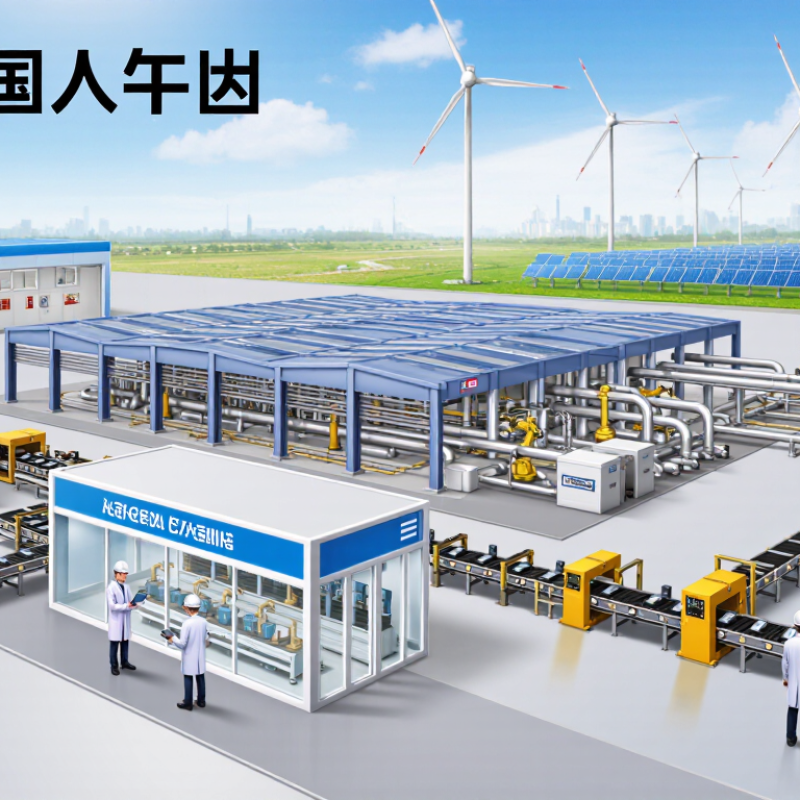
Process technology suppliers design, integrate, and maintain the systems behind industrial production. Their work may include process engineering, heat transfer, automation, filtration, utilities, and safety controls. A strong supplier turns a process diagram into reliable equipment on the factory floor. It also supports commissioning, operator training, spare parts, and performance testing.
The need is substantial. The International Energy Agency’s Energy Technology Perspectives 2024 reports that industry consumes about 37% of global final energy. This makes energy efficiency a commercial concern, not just an environmental goal. The U.S. Department of Energy’s Industrial Decarbonization Roadmap highlights efficiency, electrification, low-carbon fuels, and carbon management as major improvement paths. When comparing China’s process technology suppliers, buyers should examine measured energy use, production yield, maintenance response, and documented project experience. Ask for test records, not polished promises. Site visits help, although one visit can still hide weak after-sales support.
A practical review should include engineering depth, control-system compatibility, safety documentation, and lifecycle cost. Check whether the supplier can adapt equipment to local water quality, raw materials, climate, and operator skills. Those details often decide whether a project runs smoothly. Price alone misleads. I have seen technically impressive proposals fail because commissioning responsibilities were vague. Supplier evaluations should therefore include clear acceptance criteria, realistic delivery schedules, and references from comparable process conditions.
Choosing a Chinese process technology supplier requires more than comparing quoted prices. Begin with technical fit: process flow, capacity, materials, temperature ranges, control accuracy, and utility consumption. Ask for P&IDs, equipment specifications, validation records, and a clear list of design assumptions. Vague answers are warning signs. Request evidence from comparable installations, not polished presentation slides. Speak with recent customers, if confidentiality allows. Factory visits can reveal calibration discipline, welding quality, spare-parts storage, and housekeeping.
Competence should be measurable. Review engineering qualifications, quality-control procedures, software capabilities, and the supplier’s approach to change management. Check whether drawings receive controlled revisions and whether inspection results remain traceable to individual components. Independent testing may be worthwhile for pressure, performance, or material conformity. Do not treat certificates as complete proof. Confirm issuing bodies, validity dates, scope, and the exact equipment covered. Reliable suppliers explain risks before receiving a purchase order. They also provide commissioning plans, operator training, response times, and documented warranty limits.
Cost deserves a practical test. Compare total ownership cost, including installation support, energy use, consumables, upgrades, downtime, and local service availability. Payment terms should match verified milestones, such as approved drawings, factory acceptance testing, and successful site commissioning. Keep communication technical and recorded. One weakness remains easy to miss: cultural and language gaps can distort urgent decisions. Use bilingual specifications and written meeting records. I have seen attractive proposals fail because small exclusions were never discussed. That risk is preventable, but not always.
Supplier claims need evidence. The ISO Survey 2023 recorded more than 1.2 million ISO 9001 certificates worldwide. That number shows availability, not technical excellence. Request each certificate’s scope, site address, expiry date, and issuing body. Verify them through the certification body’s database. A certificate covering office management may not cover process design, fabrication, or commissioning.
Experience must be measurable. Ask for three comparable projects completed within the last five years. Check capacity, material compatibility, operating hours, yield, energy use, and commissioning dates. Request redacted FAT, SAT, validation, and acceptance records. Speak with the client’s engineering manager, not only the sales contact. Small details matter. For example, ask how the supplier handled unstable feedstock, delayed utilities, or a failed trial run.
The World Bank’s Enterprise Surveys repeatedly show that infrastructure and operational reliability remain major business constraints in many markets. Therefore, evaluate local installation support, spare-parts response, training, and change-control procedures. Technical experts should explain calculations clearly and identify design limits. Be cautious when every project appears perfect. Real projects usually contain deviations, rework, or lessons learned. That uncomfortable evidence can be more reliable than polished photographs. A practical audit should include a factory visit, sample review, engineer interviews, and a written risk register before contract approval.
How to Choose China Top Process Technology Suppliers?
Comparing process technology suppliers requires more than reading product brochures. Study their engineering experience, process data, and completed projects in similar industries. Ask how their equipment handles temperature changes, material variation, and continuous operation. Request test results, not only performance promises. A controlled pilot run can reveal problems hidden in polished presentations.
Cost comparison should include installation, training, spare parts, energy use, and maintenance. The lowest quotation may create higher operating costs later. A low quote can still win on paper. That is not enough. Build a five-year total cost estimate and check which assumptions are uncertain. Currency changes, shipping conditions, and local installation skills may affect the final budget.
Support and delivery deserve equal attention. Confirm who will answer technical questions after commissioning and how quickly replacement parts can arrive. Review service procedures, response times, and engineer availability in writing. Delivery capability should include production capacity, quality inspections, packaging, export documentation, and on-site coordination. Ask for a realistic schedule with inspection and testing milestones. Supplier references are useful, but verify them independently through direct conversations. One weakness remains common: buyers often compare equipment prices carefully but examine support vaguely. That mistake can delay production for weeks. A practical evaluation should score technology, cost, support, and delivery separately, then test the supplier’s evidence before signing.
How to Choose China Top Process Technology Suppliers?
Selecting a Chinese process technology supplier requires more than comparing quotations. UNIDO reported that China produced about 31.6% of global manufacturing value added in 2022. This scale offers strong engineering capacity, but supplier quality still varies widely. Ask for process flow diagrams, equipment tolerance records, factory acceptance procedures, and recent project references. Verify whether the proposed team built the system or only resold it. Small details matter.
Manage the supplier with measurable controls. Define milestones for design approval, pilot testing, documentation, training, and spare parts. Use one responsibility matrix. It should name each owner and deadline. The World Bank’s 2023 Logistics Performance Index ranked China 19th globally, showing capable logistics, but delivery risk still requires local verification. Inspect critical components before shipment. Record serial numbers and test results. Remote meetings help, yet they cannot replace a witnessed factory test.
Commercial terms need equal care. Link payments to accepted deliverables, not promises. Require change-control procedures for material substitutions and software updates. A common mistake is choosing the lowest bid, then paying for redesigns. Another is trusting polished presentations without checking maintenance records. I would also assess communication speed, technical English, cybersecurity controls, and after-sales response. No supplier is flawless. A structured audit exposes weaknesses before production does.
A practical supplier scorecard should prioritize technical suitability, quality assurance, total cost, delivery capability, and long-term service. The suggested weighting below totals 100% and can be adapted to project risk and process complexity.
Use the weighted criteria during prequalification, technical review, factory audits, contract negotiation, and ongoing supplier performance management. A supplier should be selected based on verified evidence rather than price alone.
Copyright © 2025 · All Rights Reserved · Franchino Mold & Engineering