How to Optimize Plastic Machining for Global Sourcing?
In today's global market, optimizing plastic machining is essential for manufacturers aiming for efficiency and cost-effectiveness. The process is intricate and demands careful consideration of various factors. From material selection to production techniques, every choice matters. High-quality plastic machining can significantly enhance a company's sourcing strategy.
Effective plastic machining requires expertise in both technology and market trends. Understanding the properties of different plastics can lead to better product performance and lower costs. Additionally, evaluating suppliers is crucial. Some may promise low prices but compromise quality. This necessitates a thorough assessment of potential partners.
It is not uncommon for companies to face challenges in scaling up their operations. Missteps in the machining process or poor supplier relationships can lead to wasted resources. Reflecting on past experiences can help identify areas for improvement. Companies must remain adaptable and innovative to stay competitive in an ever-evolving landscape.

Understanding the Basics of Plastic Machining in Global Sourcing
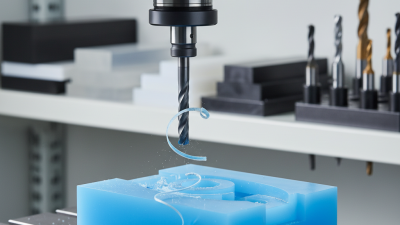
Plastic machining is a cornerstone for efficient global sourcing. Understanding its basics is crucial for businesses aiming for international competitiveness. This involves a grasp on various techniques like CNC machining and injection molding. Each process has its advantages and drawbacks. For instance, while CNC machining offers precision, it often demands more lead time.
Material selection also plays a critical role. Different plastics are suited for different applications. Consider the properties of acrylic versus polycarbonate. The wrong choice can lead to product failures. Furthermore, sourcing from diverse regions may expose inconsistencies in quality. Some suppliers may not adhere to the same standards, which could compromise the entire production process.
Communication with suppliers is vital. Misunderstandings can arise due to cultural differences or language barriers. Establishing clear specifications can minimize such issues. Regular feedback loops can help in improving product quality and ensuring alignment. Yet, even with careful planning, things may not always go perfectly. Companies must remain adaptable and ready to pivot strategies based on actual outcomes.
Assessing Material Requirements for Effective Plastic Machining
When optimizing plastic machining, understanding material requirements is crucial. Different plastics have distinct characteristics that affect machining processes. For example, polycarbonate offers high impact resistance but can be challenging to machine due to its thermal sensitivity. In contrast, acrylic is easier to shape but less durable. Industry reports indicate that 70% of machining issues arise from material selection errors. This highlights the need for thorough assessments.
Selecting the right plastic impacts cost and efficiency. For instance, using polyamide can reduce tool wear, leading to longer machine life and lower operational costs. A study by the Plastics Industry Association revealed that improper material usage can increase production time by up to 30%. Choosing the correct plastic not only streamlines operations but ensures better end-product quality. Achieving an optimal balance between performance and manufacturability is essential but often overlooked.
Many manufacturers face challenges in sourcing high-quality materials. Subpar plastics can result in defects and increased waste, stressing the production line and harming sustainability efforts. Reports show that about 20% of materials fail to meet specified standards. Evaluating suppliers is necessary to mitigate these risks. A consistent approach in assessing material requirements can lead to improved sourcing strategies.
Implementing Best Practices in Plastic Machining for Global Suppliers
When optimizing plastic machining for global sourcing, implementing best practices is essential for success. Effective communication with suppliers is crucial. Establishing clear specifications can reduce misunderstandings. It ensures that parts meet precise requirements and reduces waste.
Tip: Regularly review and update your design specifications. This practice prevents outdated information that may lead to errors.
Using advanced technologies can significantly enhance machining processes. Technologies like CNC and 3D printing improve precision and speed. However, not all suppliers may have access to these technologies. Choosing the right partner is a vital step. Evaluate their capabilities thoroughly before committing to any agreements.
Tip: Conduct on-site evaluations of potential suppliers. This ensures they have the right technologies and standards in place.
It’s also important to consider the cultural differences that may affect manufacturing. Sometimes these differences can lead to miscommunication. Establishing a good rapport with global suppliers helps navigate these challenges. This creates a smoother workflow and better quality control.
Tip: Invest time in relationship-building with suppliers. Strong relationships often lead to more reliable production runs.
Evaluating Quality Control Measures in Plastic Machining Processes
Quality control is paramount in plastic machining. Effective evaluation of quality measures ensures that components meet required standards. A robust inspection process encompasses several stages, from raw materials to finalized products. Each step plays a crucial role in preventing defects.
Often, manufacturers rely on visual inspections and basic measurements. These methods, while useful, may overlook subtle defects. Implementing advanced techniques like automated inspections can enhance accuracy. Utilizing technology ensures consistency and reduces human error. However, these tools require skilled operators to interpret the data correctly. Training is essential but often insufficient.
Documentation of the machining process is critical. It provides transparency and accountability. Yet, many industries struggle with effective record-keeping. Inconsistencies in documentation can lead to issues down the line. Companies need to prioritize establishing clear protocols. Regular audits of quality control measures will identify weaknesses. Continuous improvement in these areas can elevate overall performance, but complacency often hampers progress. Investing in quality control requires both time and resources, and neglecting these can have lasting consequences.
Leveraging Technology and Innovation in Global Plastic Machining
In today's competitive landscape, leveraging technology and innovation is essential for optimizing global plastic machining. Advanced technologies like automation and artificial intelligence can significantly enhance efficiency. According to a report from the Plastics Industry Association, over 50% of manufacturers have adopted some form of automation. This shift leads to improved production rates and a reduction in labor costs. Automated systems can operate with precision, reducing waste and minimizing errors in machining processes.
Moreover, innovative materials and processes play a crucial role in this optimization. For instance, the development of high-performance plastics has expanded applications in various industries including automotive and aerospace. A study from MarketsandMarkets indicates that the global plastic market could reach $654 billion by 2027, driven by innovations in machining technologies. However, these advancements require careful implementation and ongoing evaluation. Businesses should be cautious of investing in unproven technologies without understanding their long-term impacts on production quality and sustainability.
While technology offers numerous benefits, it also presents challenges. Companies must navigate issues related to training employees on new systems and ensuring quality control. Reports show that nearly 60% of companies face difficulties in fully integrating advanced technologies. As firms explore new innovations, they should continually assess their effectiveness and adjust strategies as needed. This reflective approach is vital for maintaining competitiveness in the ever-evolving landscape of global plastic machining.
Global Plastic Machining Techniques Optimization