Why Choose Metal Bellow Mechanical Seals?
Metal Bellow Mechanical Seals are engineered for demanding pumps, mixers, and rotating equipment. Their welded metal bellows provide spring action without exposed dynamic O-rings. This design can improve reliability where heat, pressure, or corrosive fluids challenge conventional seals.
In practical maintenance work, the difference often appears at the pump face. A properly selected seal keeps process fluid contained while reducing friction and wear. Metal bellows also tolerate temperature changes more consistently than many elastomer-based arrangements. They can handle abrasive slurries, solvents, and high-temperature oils when materials match the service conditions. Stainless steel, Hastelloy, and other alloys offer different resistance levels. The correct choice depends on chemistry, pressure, speed, and temperature.
Not every application needs them.
A common mistake is treating metal bellows as a universal upgrade. They still require accurate installation, suitable face materials, and proper shaft alignment. Poor flushing, dry running, or excessive vibration can cause early failure. Field inspections repeatedly show that seal performance depends on the complete system, not one component. Manufacturers’ test data and recognized industry practices should guide final selection. Even experienced engineers can overlook transient pressure or startup conditions. That is why operating records matter. When evaluated carefully, Metal Bellow Mechanical Seals offer a dependable balance of containment, durability, and reduced maintenance. Their value becomes clearest when equipment operates continuously, repairs are costly, and leakage control is essential.
What Are Metal Bellows Mechanical Seals?
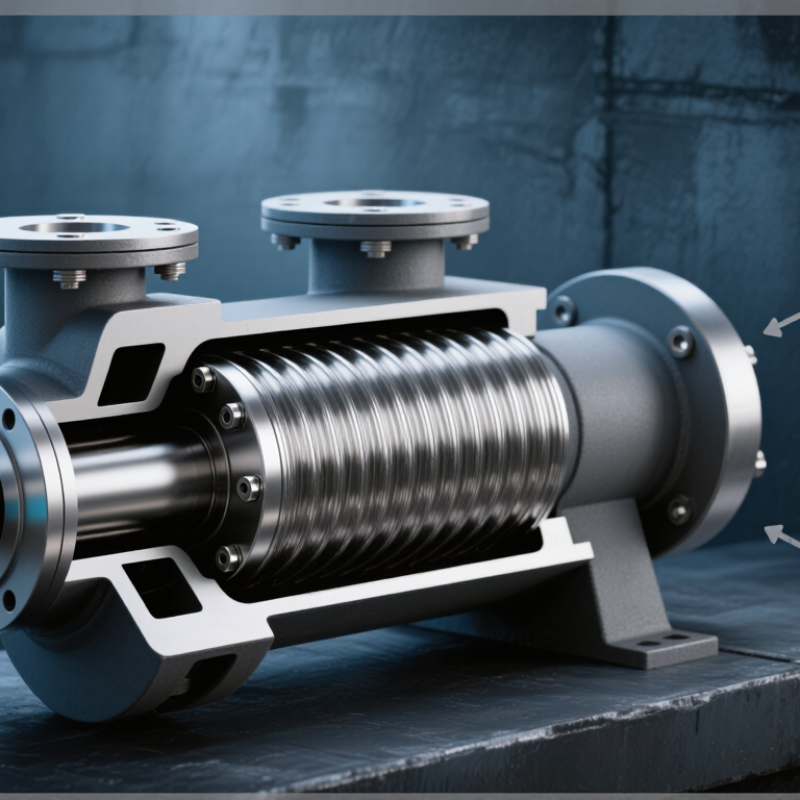
Metal bellows mechanical seals are sealing devices designed to prevent fluid leakage around rotating shafts. They use a flexible metal bellows instead of a conventional dynamic O-ring. The bellows expands and contracts as the shaft moves axially. It also provides the closing force that keeps the sealing faces together.
A typical seal includes a stationary face, a rotating face, a metal bellows, and carefully selected secondary components. The sealing faces may use carbon, ceramic, silicon carbide, or tungsten carbide. The bellows is usually welded or formed from corrosion-resistant metal. This construction removes rubbing movement at the secondary seal. That detail matters in pumps handling hot fluids, solvents, or abrasive liquids.
Field experience shows that correct selection is more important than impressive specifications. Engineers should check temperature, pressure, shaft speed, fluid chemistry, and possible dry running. A bellows seal can tolerate certain movements well, but it cannot correct poor shaft alignment. Installation cleanliness is equally important. One small grain between the faces may create a leak path.
Not automatically better.
Metal bellows seals can offer stable performance, yet they require accurate sizing and disciplined installation. Bellows fatigue, corrosion, and excessive vibration remain possible failure causes. The safest choice depends on the equipment, operating cycle, and maintenance conditions. A seal that works for hot water may fail quickly in a crystallizing chemical service. This is why application data should be verified before the design is approved.
What Advantages Do Metal Bellows Mechanical Seals Offer?
Why Choose Metal Bellow Mechanical Seals?
Metal bellow mechanical seals offer practical advantages in demanding pumps and rotating equipment. Their welded metal bellows provide spring force without sliding secondary seals. This design reduces hang-up caused by dirt, hardened lubricant, or surface damage. It also accommodates thermal movement during repeated heating and cooling cycles.
In field maintenance, technicians often value the seal’s balanced pressure response. Metal bellows can support stable sealing under vibration and changing operating conditions. They work well with hot fluids, solvents, and many corrosive process liquids, when the material matches the application. Fewer sliding parts may also reduce wear around the shaft. Still, they are not a universal answer. Poor material selection can cause corrosion, fatigue, or early failure. That part deserves more attention than it usually receives.
Tips: Confirm fluid chemistry, temperature, pressure, speed, and shaft movement before selection. Check bellows material compatibility with the process fluid. Keep faces clean during installation. Even a small scratch can create a visible leak. Verify equipment alignment and shaft runout, because a strong seal cannot correct poor machine geometry. Avoid dry running unless the design specifically permits it. A short operating record can help identify thermal spikes and unexpected vibration.
Where Are Metal Bellows Mechanical Seals Used?
Why Choose Metal Bellows Mechanical Seals?
Where Are Metal Bellows Mechanical Seals Used?
Metal bellows mechanical seals are used where temperature, corrosion, or product purity challenges conventional seals. Their welded metal bellows provide spring force and movement compensation. They do not rely on exposed dynamic O-rings. This makes them suitable for pumps handling hot oils, solvents, acids, and crystallizing liquids. Heat changes the decision.
Chemical processing plants often install these seals on pumps, mixers, and agitators. Refineries use them around hot hydrocarbons and demanding transfer systems. In pharmaceutical production, their clean design helps reduce areas where residue can collect. Food processing equipment may use them when cleanability and controlled contamination are important. Vacuum systems also benefit from reduced elastomer exposure. Fit matters.
Metal bellows seals can perform well in high-temperature service, but they are not automatically the best choice. Engineers must check bellows alloy compatibility, pressure limits, face materials, and operating speed. Chlorides, abrasive particles, and repeated thermal cycling may create hidden risks. A seal that survives one fluid may fail quickly in another. Maintenance teams should inspect weld areas, leakage patterns, shaft alignment, and installation damage. Small alignment errors matter. Selecting by temperature alone is an easy mistake, and field conditions often reveal limitations that laboratory data does not show.
How Should Metal Bellows Mechanical Seals Be Selected?
Why Choose Metal Bellow Mechanical Seals?
How Should Metal Bellows Mechanical Seals Be Selected?
Selecting a metal bellows mechanical seal starts with operating conditions, not catalog size. Record pressure, temperature, speed, fluid chemistry, solids, and shaft movement. API 682 provides standardized seal categories and qualification requirements for refinery and process applications. Its guidance supports a disciplined selection process, but it does not replace field judgment. A welded metal bellows seal suits high-temperature service because it avoids traditional dynamic O-rings. However, bellows fatigue may increase when pressure cycles, vibration, or axial movement are underestimated. Check the bellows material against chloride, acid, and caustic exposure. Hastelloy or stainless steel may behave very differently in the same fluid.
Tips: Confirm the real temperature at the seal chamber. Not the pump casing temperature. Review startup, shutdown, and dry-running events. A short upset can damage a carefully selected seal. The U.S. Department of Energy reports that pumping systems can represent 25% to 50% of industrial facility electricity use. This figure comes from its Pumping System Assessment Tool guidance. Efficient hydraulics matter, but repeated leakage and unplanned seal replacement also carry energy and maintenance costs. Select face materials after reviewing lubrication, crystallization, and abrasive particles. Do not assume carbon and silicon carbide are universally compatible.
In practice, request application data from operators, not only engineering drawings. Compare predicted seal life with actual maintenance records. A spreadsheet can still mislead. I would also verify pressure reversals and bellows stress calculations with the seal engineer. That extra review often exposes the weakest assumption.
