How to Source Reliable CNG Bus Engine Parts?
Sourcing reliable Cng Bus Engine Parts is a practical challenge for fleet operators, maintenance teams, and engine rebuilders. A failed component can leave a bus idle, disrupt passenger service, and increase workshop costs. Reliable sourcing starts with understanding the engine model, operating conditions, service history, and exact part specifications. A part number alone may not tell the complete story. Fuel system pressure, cylinder design, emissions requirements, and cooling conditions also deserve careful attention.
Experienced buyers usually work with manufacturers, authorized distributors, and established suppliers with traceable records. They request material certificates, dimensional drawings, quality reports, and batch information before placing large orders. Clear photographs can help, but they cannot replace inspection. For example, a gasket should match the correct bore diameter and temperature range, while a valve must suit the engine’s combustion conditions. Small differences matter.
Supplier evaluation should include warranty terms, technical support, delivery reliability, and return procedures. Independent testing may be valuable for critical components. It is also wise to compare supplier claims with workshop experience and fleet maintenance records. Not every low-priced part is poor, and not every premium part is perfect. That is an important limitation.
A cautious sourcing process reduces avoidable risks. Buyers should verify compatibility, inspect incoming parts, and document installation results. They should also review recurring failures instead of blaming every issue on the component. Reliable decisions come from evidence, communication, and continuous improvement. Even experienced teams can overlook a detail. Reflecting on those mistakes can strengthen future purchasing decisions.
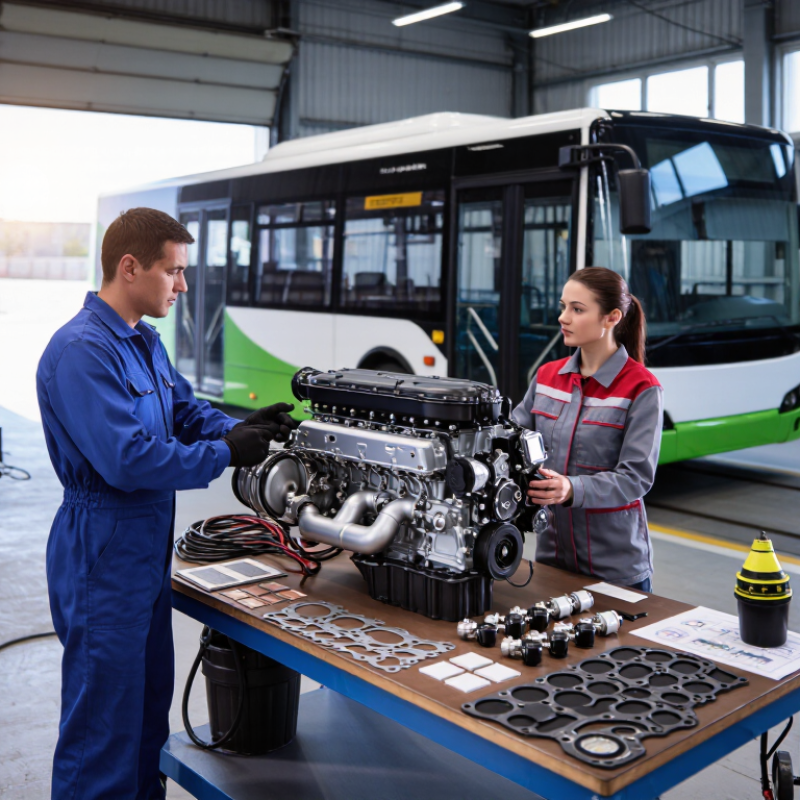
Understanding CNG Bus Engine Parts and Their Operating Requirements
CNG bus engines operate under different demands than diesel engines. Compressed natural gas enters the fuel system at high pressure, then reaches the engine through regulated stages. This makes pressure regulators, injectors, shutoff valves, seals, and hoses critical working parts. Each part must tolerate vibration, heat, and repeated pressure changes. In maintenance work, I check regulator response after a cold start and again after a long route. Small delays can reveal internal wear. Not every fault is obvious.
Reliable engine parts must match the engine’s gas pressure, flow rate, temperature range, and mounting dimensions. Materials matter too. Seals need resistance to gas exposure and engine heat, while injector tips require clean filtration to prevent uneven fuel delivery. A contaminated filter may cause rough idling, higher exhaust temperatures, or hard starting. Technicians should compare test certificates, dimensional drawings, batch records, and inspection results before purchasing. Traceability is practical evidence, not paperwork decoration. I have seen a visually perfect valve fail because its internal spring was unsuitable for the operating pressure.
Operating conditions also shape replacement choices. Stop-and-go routes create frequent thermal cycles, while dusty depots challenge filters and connectors. Parts should be tested for leakage, electrical stability, and endurance under vibration. Fitment checks remain essential, even when catalog numbers appear correct. A rushed substitution can work for one week, then expose a deeper compatibility problem. That possibility deserves attention. Keep installation records, pressure readings, and removed-part photos. These details help distinguish a defective component from an incorrect diagnosis.
Identifying Reliable Suppliers Through Standards, Experience, and Traceability
Reliable CNG bus engine parts begin with reliable evidence. Ask suppliers for applicable quality certificates, material records, and inspection reports. Standards should cover manufacturing controls, dimensional accuracy, sealing performance, and pressure-related safety. A certificate alone can mislead. Check its scope, validity, and issuing organization before trusting it.
Supplier experience matters when parts operate under vibration, heat, and frequent engine cycles. Experienced teams can explain common failures, installation tolerances, and suitable material choices. Request examples from comparable bus engines, not general automotive projects. A serious supplier should provide batch numbers, inspection dates, and test results. Traceability should continue from raw material to warehouse shipment.
Small details matter. Look for permanent markings, sealed packaging, and matching documents. One practical weakness remains: some suppliers record production carefully but neglect after-sales feedback. That gap deserves direct questioning.
Tips
Request a sample traceability file before ordering. Compare the part number, batch code, drawing, and inspection report. Ask how rejected parts are isolated and investigated. Verify technical answers with an independent engineer when specifications seem unclear.
Keep photos of received parts, packaging labels, and measured dimensions. This creates an evidence trail for future maintenance. Do not choose only by price. A cheaper seal, valve, or gasket may create repeated downtime.
Personally, I would also review a supplier’s corrective-action records. Imperfect records are not automatically disqualifying, but vague explanations should make you pause.
Checking Part Compatibility, Materials, Specifications, and Certification
How to Source Reliable CNG Bus Engine Parts?
Checking compatibility begins with the engine code, production year, fuel system layout, and operating pressure. A matching part number is not enough. Field technicians often find small differences in connectors, thread sizes, or sensor calibration. Verify dimensions against the service manual and the supplier’s controlled technical drawing. Then request installation records from comparable CNG fleets.
Materials deserve equal attention. Methane exposure can harden unsuitable elastomers and weaken seals over time. Choose materials rated for gas contact, vibration, heat, and repeated pressure cycles. Examine surface finish on valves, injectors, regulators, and threaded fittings. According to ISO 15500, CNG components require defined performance tests for pressure, leakage, and durability. For storage-related parts, ISO 11439 specifies requirements for high-pressure gas cylinders.
Specifications must match the complete system, not one component. Check flow rate, pressure range, electrical resistance, temperature limits, and emissions requirements. IEA’s Gas 2024 report projected global gas demand growth of more than 2.5% in 2024, increasing pressure on fleet uptime and maintenance capacity. Certification is essential. Confirm valid test reports and traceable serial numbers under applicable requirements, including UN ECE Regulation No. 110 where relevant. A certificate can still be outdated. Recheck its scope, issuing body, and production batch. The checklist is not perfect. That is why receiving inspection, leak testing, and documented fitment remain necessary.
How to Source Reliable CNG Bus Engine Parts?
Checking part compatibility, materials, specifications, and certification
The chart shows common reference pressure levels used when checking CNG fuel-system parts: approximately 200–250 bar for onboard storage and high-pressure components, and approximately 5–10 bar for the regulated fuel rail. Actual requirements vary by vehicle design, engine calibration, and system documentation. Before purchasing, confirm connection geometry, sealing materials, pressure and temperature ratings, gas compatibility, and applicable certification such as ISO 11439, ISO 15500, or UNECE Regulation No. 110.
Evaluating Quality Control, Testing Procedures, Warranty, and Support
Sourcing reliable CNG bus engine parts requires more than matching part numbers. In my experience, dependable suppliers provide traceability from raw material to final inspection. Ask for batch records, dimensional reports, and material certificates. Check seals, valves, injectors, and connectors for consistent finishing. A clean warehouse matters. So does careful packaging. Dust and moisture can damage sensitive components. Inspect random samples before approving a large order. Small checks prevent expensive downtime.
Quality claims need evidence. Request pressure, leak, vibration, and temperature-cycle test results. For electronic controls, review calibration records and fault-code testing. Reports should identify equipment, test dates, acceptance limits, and responsible personnel. Generic certificates are weak evidence. Ask whether testing reflects real bus conditions, including engine vibration and repeated starts. A part can look perfect and still fail.
Warranty terms should state coverage, duration, exclusions, and response times. Get the replacement process in writing. Technical support should explain installation torque, compatibility, storage, and troubleshooting steps. During a trial, record cold starts, idle stability, and fuel response. Keep photos, serial numbers, and service notes. I have seen a part pass bench testing but fail after poor installation. That lesson is uncomfortable. Supplier quality matters, but maintenance discipline matters too. Recheck critical parts after service intervals.
Building a Safe and Sustainable CNG Engine Parts Sourcing Process
How to Source Reliable CNG Bus Engine Parts?
Building a safe and sustainable CNG engine parts sourcing process begins with traceability. Each component should have a clear part number, material record, production date, and inspection history. For pressure-related parts, request test certificates and verify compliance with recognized technical standards. Do not rely on photographs alone. A clean-looking valve may still contain incorrect seals or damaged threads.
Supplier evaluation should include factory audits, sample testing, and documented quality procedures. Ask how the supplier controls storage, packaging, and transport. Rubber seals need protection from heat, sunlight, and oil contamination. Metal components should arrive without corrosion, dents, or blocked passages. A qualified technician can compare dimensions against approved drawings before installation. Keep inspection records with the vehicle and engine identification details.
Sustainability requires more than choosing a low price. Select durable parts that reduce repeated replacement, waste, and workshop downtime. Confirm whether defective components can be repaired, recycled, or safely returned. It is also useful to review energy use and material waste during production. Some suppliers provide impressive documents but weak follow-up service. That gap matters. A sourcing team should reassess performance after delivery, not stop at contract signing. Our process may still miss small issues, especially when inspections are rushed, so independent checks remain valuable. Reliability is built through evidence, careful handling, and honest correction.
