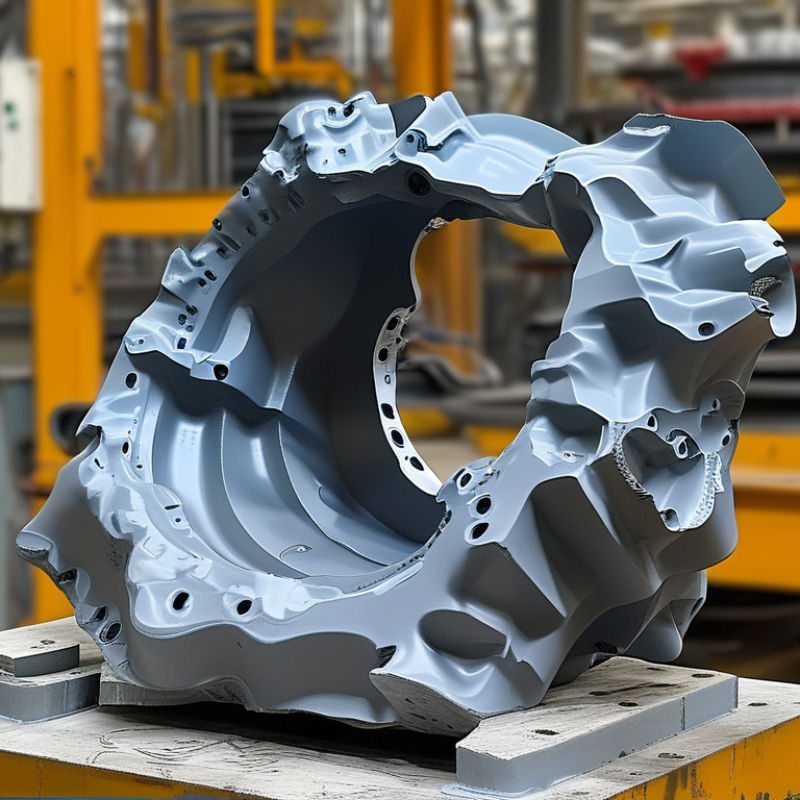
What is Reaction Injection Molding and Its Benefits for Buyers?
Reaction Injection Molding (RIM) is an innovative manufacturing process. It allows for the production of complex parts in various industries, including automotive and consumer goods. By using a chemical reaction to create parts, RIM offers unique advantages.
One of the primary benefits of Reaction Injection Molding is the reduction of production costs. This method uses less material compared to traditional molding techniques. It also minimizes waste, making it a more sustainable option for manufacturers. The flexibility in design allows for more intricate shapes and sizes.
Buyers seeking efficient and reliable solutions will find RIM appealing. With advancements in technology, the properties of materials used in RIM have improved significantly. However, there are challenges, such as the need for precise control over the reaction process. Proper understanding and expertise in this field are crucial for successful implementation.
What is Reaction Injection Molding?
Reaction Injection Molding (RIM) is a unique manufacturing process. It combines two or more liquid components. These components react chemically to create a solid product. This method is distinct from traditional injection molding, which uses pre-made plastics. RIM typically employs polyurethanes, allowing for greater design flexibility and material strength.
Using RIM can yield significant benefits for manufacturers. The process allows for efficient production of large parts with complex shapes. Due to its quick curing times, it can reduce cycle times significantly. Manufacturers can create lightweight but durable products. However, the initial setup costs can be high. Buyers should weigh these factors carefully before committing to a RIM project. Success in RIM requires expertise in both material selection and process optimization. It's essential to consult knowledgeable professionals who can guide the process.
The Process of Reaction Injection Molding Explained
Reaction Injection Molding (RIM) is a fascinating manufacturing process. It combines two liquid components, which react to form a solid polymer. This allows for the creation of complex shapes that are both strong and lightweight. The process starts with the precise mixing of these components. This is followed by injection into a mold where they undergo a chemical reaction. As they react, the materials expand and fill the mold completely.
One significant advantage of RIM is its ability to produce large parts efficiently. In industries like automotive and aerospace, this means reduced costs and shorter lead times. The flexibility of RIM also permits various material options. Different formulations can achieve specific properties, enhancing the design's overall functionality. However, the process requires careful handling. Ensuring correct ratios during mixing is crucial. Any deviation can lead to defects such as incomplete curing or inconsistent quality.
Moreover, while RIM offers many benefits, it is not without challenges. The initial setup cost can be high, especially for custom molds. Buyers must weigh this against long-term savings. Additionally, the process may require a learning curve for new users. Understanding the reaction kinetics is essential for success. Continuous process optimization can yield better results over time. RIM presents a unique opportunity, but it demands a commitment to quality and precision.
Reaction Injection Molding Benefits
This chart illustrates the various benefits of Reaction Injection Molding (RIM) for buyers, highlighting key areas of advantage.
Key Advantages of Reaction Injection Molding for Manufacturers
Reaction Injection Molding (RIM) offers significant benefits for manufacturers in the plastic processing industry. One critical advantage is material efficiency. According to a report by TechSci Research, RIM can reduce material waste by up to 30% compared to traditional injection molding methods. This efficiency is especially beneficial in industries like automotive and aerospace, where reducing weight while maintaining strength is paramount.
RIM also excels in producing complex geometries with intricate designs. The chemical reaction involved allows for the creation of lightweight yet durable components. A study by the ASTM International noted that RIM parts can perform under extreme conditions, which is essential for many applications. However, achieving the desired properties requires a deep understanding of the chemical processes, highlighting the need for experienced professionals in the field.
Despite these advantages, manufacturers must be cautious. The initial setup costs can be high, and the process itself may require specialized machinery. Additionally, not all materials are suitable for RIM, which can limit its applications. Therefore, manufacturers must weigh the benefits against potential challenges to determine if RIM is the right choice for their production needs.
Cost Efficiency and Material Savings in Reaction Injection Molding
Reaction Injection Molding (RIM) is gaining attention due to its cost efficiency and material savings. This innovative process combines two or more components that react chemically in the mold. As a result, manufacturers can produce lightweight and strong parts. According to a recent market analysis, RIM can reduce production costs by up to 30% compared to traditional molding methods.
One of the key benefits of RIM is the material savings it offers. The process minimizes waste during production, making it environmentally friendly. Recent data shows that manufacturers can achieve a material savings of around 20%. This efficiency not only lowers costs but also enhances the sustainability profile of products. Efficient use of materials aligns well with current industry trends toward greener production practices.
Despite its advantages, RIM does come with challenges. The initial setup costs can be higher due to specialized equipment. Moreover, the learning curve for technicians may slow down the adoption process. These factors require careful consideration by buyers. Nonetheless, as insights and technologies evolve, the benefits of Reaction Injection Molding provide compelling reasons to explore its potential.
Applications and Industries Benefiting from Reaction Injection Molding
Reaction Injection Molding (RIM) is gaining traction across various industries. This process combines two or more liquid components that react and cure into solid parts. Its lightweight nature makes it ideal for automotive and aerospace applications, where reducing weight enhances fuel efficiency. In the construction sector, RIM offers durable components, such as insulation panels and decorative elements, thanks to its customizability.
The medical industry also benefits from RIM. Medical devices often require precise dimensions and tailored properties. RIM fulfills these needs by producing specific parts like housings or connectors with high reliability. Additionally, consumer goods are another area where RIM shines. Innovative designers play with shapes and textures, creating products that attract attention. However, RIM is not perfect. Its high initial setup costs can deter small-scale manufacturers. Balancing cost with the desired output requires careful thought, especially for start-ups. Ensuring quality control during the molding process is also tricky and demands skilled labor.
What is Reaction Injection Molding and Its Benefits for Buyers? - Applications and Industries Benefiting from Reaction Injection Molding
| Application | Industry | Benefits |
| Automotive Parts | Automotive | High precision and durability |
| Consumer Electronics Enclosures | Electronics | Complex geometries and lightweight |
| Medical Device Components | Healthcare | Biocompatibility and strength |
| Industrial Equipment | Manufacturing | Cost-effective for large productions |
| Furniture Accessories | Furniture | Wide variety of finishes and designs |