Why Choose a Portable Gas Detector for Safety Monitoring?
The need for safety monitoring in various industries has never been more critical. Portable Gas Detectors play a vital role in ensuring worker safety. According to a report by MarketsandMarkets, the global portable gas detector market is projected to reach $5.2 billion by 2025, reflecting the growing emphasis on workplace safety. Industry expert Dr. Emily Hart emphasizes the importance of these devices, stating, "A portable gas detector is essential for preventing hazardous exposures."
These handheld devices detect specific gases, such as carbon monoxide and methane, in real-time. Their portability allows for swift deployment in various environments, enhancing safety protocols. Crucially, while many organizations invest in stationary detection systems, the flexibility of portable options cannot be overlooked. They offer immediate alerts and data collection, which can significantly reduce risks associated with gas leaks.
Despite advancements, some organizations still underestimate the value of portable gas detectors. Real-world incidents show that neglecting these devices can lead to serious injury or even loss of life. Awareness is lacking, and some individuals question their reliability. Addressing these concerns requires education and commitment to safety practices. Portable gas detectors deserve recognition as indispensable tools in the fight for safer work environments.
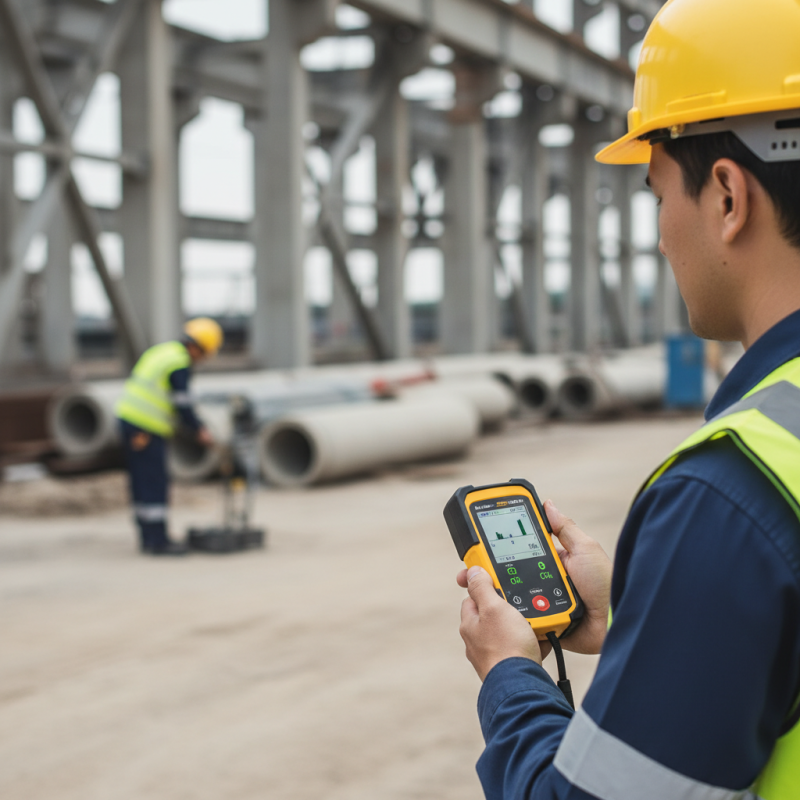
Advantages of Portable Gas Detectors in Safety Monitoring
Portable gas detectors are essential for ensuring safety in various environments. Their compact design allows for easy mobility, making them suitable for monitoring hazardous areas. Workers can carry them on their person, ensuring constant vigilance in places prone to gas leaks. These detectors provide real-time data, alerting users to dangerous gas concentrations promptly.
Tip: Regularly calibrate your gas detector. Calibration ensures accuracy and reliability. It’s crucial for maintaining safety standards.
Portable gas detectors cover a wide range of gases. Many models detect flammable gases, carbon monoxide, and toxic vapors. This versatility makes them invaluable across industries like construction, oil, and manufacturing. However, relying solely on technology is risky. Notifications may be delayed, so constant awareness is vital.
Tip: Train all employees on the proper use of gas detectors. Familiarity with tools enhances safety and response in emergencies. Regular drills can improve reaction times during real incidents.
Key Features to Consider When Choosing a Portable Gas Detector
When selecting a portable gas detector, certain key features can significantly enhance safety monitoring. User-friendly interfaces are crucial. A clear display allows quick readings even in emergency situations. Look for models that support multiple gases. This versatility is essential for various workplaces. Compact designs ensure easy handling and transport, which is vital for on-the-go professionals.
Calibration is an important aspect of accuracy. Detectors that allow user calibration can save time and ensure reliability. Battery life is another factor to consider. Devices with long-lasting batteries reduce the risk of sudden failures during use. Additionally, consider alarms that are audible and visual. These alerts are critical in notifying individuals of dangerous gas levels.
While advanced features can be attractive, simplicity can be effective. Sometimes, a basic model is all you need. Knowing when to choose a simpler option reflects a deeper understanding. Remember, the goal is to ensure safety without unnecessary complications. Judging the right balance between features and usability is essential for maximum effectiveness.
Common Applications of Portable Gas Detectors Across Industries
Portable gas detectors are essential tools in various industries. They monitor hazardous gases to enhance safety. These detectors are widely used in oil and gas, mining, and manufacturing sectors. In confined spaces or during emergency situations, they become crucial. Workers can detect leaks early, preventing accidents.
In the construction industry, portable gas detectors assess air quality. They help identify harmful substances like carbon monoxide or methane. Quick readings can save lives. Gas detectors also find their place in agriculture. Farmers use them to ensure safe environments while handling chemicals. Vigilant monitoring helps prevent health risks.
**Tips:** Regularly calibrate your gas detector. Accurate readings are vital for safety. Always train staff on proper usage. Awareness is key in hazardous environments. Consider investing in multi-gas detectors for comprehensive safety. They can detect various gases simultaneously, providing better protection.
Common Applications of Portable Gas Detectors Across Industries | Industry | Common Gases Detected | Primary Use Case | Safety Benefits |
| Oil & Gas | Methane, Hydrogen Sulfide | Leak Detection | Prevention of explosive atmospheres |
| Manufacturing | Carbon Monoxide, Ammonia | Workplace Air Quality Monitoring | Protection against toxic exposure |
| Construction | Ozone, Carbon Dioxide | Site Safety Monitoring | Ensuring employee safety on site |
| Environmental Testing | Chlorine, Volatile Organic Compounds | Air Quality Assessment | Compliance with environmental regulations |
| Mining | Methane, Carbon Dioxide | Underground Safety Monitoring | Mitigation of explosive conditions |
Comparing Portable Gas Detectors with Fixed Gas Detection Systems
When comparing portable gas detectors to fixed gas detection systems, the context of use greatly influences effectiveness. Portable detectors offer on-the-go flexibility, making them ideal for workers in dynamic environments. They can detect gas levels in real time and can be taken to various locations. This flexibility is vital for monitoring hazardous areas that might otherwise be hard to reach.
Fixed systems, while reliable in stationary settings, may fall short in adaptability. They consistently monitor specific areas but cannot address unexpected situations. If an employee moves to a new area, they must rely on handheld devices for immediate safety inspections. However, the challenge with portable detectors is the need for regular calibration and maintenance. They may not always provide the same level of continuous monitoring as fixed systems.
Both types have their merits and drawbacks. Portable detectors can be forgotten or neglected due to their mobile nature. Regular checks and battery replacements are essential for accuracy. On the other hand, fixed systems, although stable, may incur higher installation and maintenance costs. Evaluating these differences is key to choosing the right system for safety monitoring.
Maintenance and Calibration Tips for Reliable Gas Detection Performance
Portable gas detectors are essential tools for safety monitoring in various industries. However, achieving reliable performance depends significantly on proper maintenance and calibration. Regular upkeep ensures the detection capabilities remain intact, especially in critical environments like refineries or chemical plants.
According to a report by the National Institute for Occupational Safety and Health, improper calibration can lead to a staggering 40% increase in false alarms. This highlights the importance of routine checks. Calibration should occur at specific intervals, ideally every six months, to account for sensor drift. Ignoring this step can have severe consequences. Many detectors have user-friendly features, but negligence during maintenance can undermine their effectiveness.
Battery life is another crucial aspect. Many portable gas detectors offer features to monitor battery status. Battery failure can lead to device shutdown during emergencies. Conducting regular inspections can increase the lifespan of the unit by about 30%. Using manufacturer guidelines for maintenance is advisable, yet user interpretation can vary. This inconsistency can lead to unreliable performance in the field, emphasizing the need for continuous training and reference to up-to-date guidelines. Regular documentation of maintenance activities can enhance accountability and reliability in safety monitoring.
