What is Plastic Machining and How Does it Work?
Plastic machining is a vital process in industries that rely on precision components. According to Dr. Emily Carter, a leading expert in plastic machining, “Understanding the intricacies of plastic machining is key to achieving accuracy.” Her insights highlight the complexity and importance of this technique.
In plastic machining, various methods such as milling, turning, and drilling are employed to shape materials. Each of these processes requires careful consideration of factors like temperature and tool selection. Successful plastic machining can lead to high-quality parts, but mistakes can incur significant waste and cost.
Many newcomers overlook the unique properties of plastics. They may assume plastic machining is similar to metal machining. However, that notion can result in errors. Knowing how to handle different plastics is essential. The nuance in this industry often leads to reflections on how practices can improve over time.

What is Plastic Machining: Definition and Overview
Plastic machining involves various processes used to shape and finish plastic materials. This technique is crucial in manufacturing industries where precision is vital. According to a report by the Plastics Industry Association, the U.S. market for plastic machining was valued at approximately $43 billion in 2021, reflecting a growing trend towards customization and efficiency.
Plastic materials like acrylic, nylon, and polycarbonate are commonly used. They offer versatility and durability in various applications. However, the machining process has its challenges. For instance, it can generate significant amounts of waste. It's estimated that up to 30% of raw material can be lost during certain machining operations.
Moreover, achieving the desired finish can be tricky. Operators must ensure they use the right tools and settings to prevent melting or warping. Studies show that improper machining can result in surface defects, affecting the final product's quality. Continuous training and process refinement are necessary to address these issues effectively.
The Types of Plastics Commonly Used in Machining Processes
When discussing plastic machining, it's essential to understand the types of plastics commonly used. Various plastics offer distinct properties and benefits, making them suitable for specific machining processes.
Common plastics include acrylic, PVC, polycarbonate, and nylon. Acrylic is known for its clarity and strength. It can be cut and shaped easily. PVC is often used for its durability and chemical resistance. Polycarbonate, while lightweight, is incredibly tough and impact-resistant. Nylon, with its lubricating properties, is ideal for gear production.
**Tip:** Always consider the end use of the machined part. This affects the choice of plastic.
Each plastic type presents unique challenges. For instance, machining acrylic too fast can lead to melting and a poor finish. Polycarbonate can be gummed up if the wrong tools are used. Understanding these nuances is critical in machining successfully.
**Tip:** Test different speeds and feeds before final production. This helps avoid costly mistakes. Knowledge of each material's behavior during machining can make a substantial difference in outcomes.
Key Techniques in Plastic Machining: CNC, Turning, and Milling
Plastic machining is an essential process used in various industries. Key techniques such as CNC machining, turning, and milling are at the forefront of this practice. CNC (Computer Numerical Control) machining, for instance, allows for precise cutting and shaping of plastic materials. According to a report from MarketsandMarkets, the CNC machining market is projected to reach $100 billion by 2026. This growth underscores the importance of automation in achieving accuracy.
Turning is another critical technique in plastic machining. It involves rotating the plastic material against cutting tools. This method is often used for creating cylindrical shapes, which are common in applications like pipes and fittings. The versatility of turning allows manufacturers to produce a wide range of products. However, some challenges persist. Choosing the right cutting speed and feed rate can be tricky. There’s a fine balance to strike for optimal results.
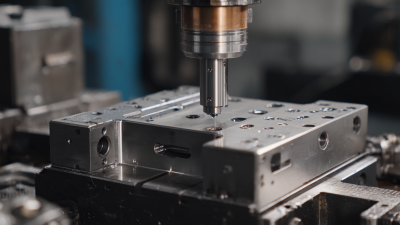
Milling is also widely used. It involves removing material from a stationary workpiece using a rotating cutter. This method is ideal for complex shapes. Research suggests that the global milling machine market could grow by over 4% annually. Yet, issues like tool wear and surface finish can complicate outcomes. Sometimes, manufacturers overlook these factors, leading to substandard products. Addressing these imperfections is vital for maintaining quality.
Advantages of Plastic Machining Over Traditional Metal Machining
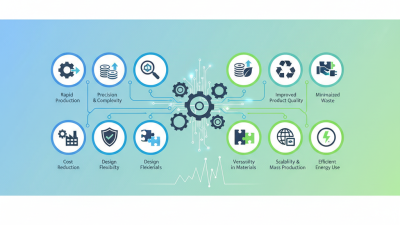
Plastic machining offers distinct advantages over traditional metal machining, which can significantly impact manufacturing processes. According to a report by Grand View Research, the global plastic machining market is projected to reach $19.4 billion by 2025. This estimate reflects the increasing preference for plastics in various industries, driven by their lightweight nature. Plastics can often reduce material costs by as much as 50%, while providing adequate strength for many applications.
One key advantage of plastic machining is the flexibility it offers. Unlike metals, plastics can be machined with less energy consumption, minimizing waste. For instance, machining time can be reduced by 40% when using plastics compared to metals. Additionally, plastics resist corrosion and chemicals, making them ideal for specific environments. However, challenges exist. Not all plastics are easily machinable; some can warp or change dimensions when heated. This can lead to inconsistencies during production.
Moreover, the recyclable nature of many plastics enhances their sustainability. According to a survey from the American Chemistry Council, up to 70% of plastic products are recyclable. This statistic shows remarkable potential for reducing environmental impact. Using recycled materials in machining processes can also lower costs. Still, the recycling rates for certain high-performance plastics remain low. This presents a need for improvement in recycling technologies and practices.
Advantages of Plastic Machining Over Traditional Metal Machining
Industry Applications and Market Trends in Plastic Machining
Plastic machining is used across various industries, including automotive, aerospace, and healthcare. Each sector requires specific machining techniques for plastic components. For instance, in the automotive industry, weight reduction is crucial. Machined plastic parts are lighter yet strong, helping to improve fuel efficiency in vehicles.
Market trends indicate a growing demand for custom plastic parts. Companies seek to innovate and reduce lead times. This need drives advancements in machining technologies. However, the challenge remains in maintaining precision while scaling up production. Some manufacturers struggle with meeting these demands. Balancing quality and efficiency is often a complex task that requires continuous improvement and adaptation.
Sustainability is also a pressing concern. There is a push for environmentally friendly materials and processes in plastic machining. Companies are exploring biodegradable options and recycling methods. While this transition is promising, it is fraught with obstacles. The industry must address recycling challenges and find effective ways to reduce plastic waste.