What is a Plastic Injection Molding Die and How Does It Work?
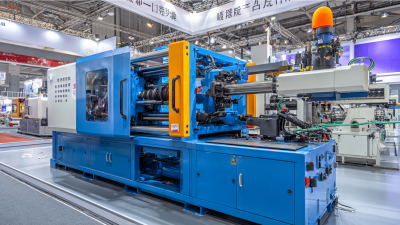
A plastic injection molding die is essential in manufacturing. It shapes molten plastic into various forms. Understanding how this die works can demystify the production process.
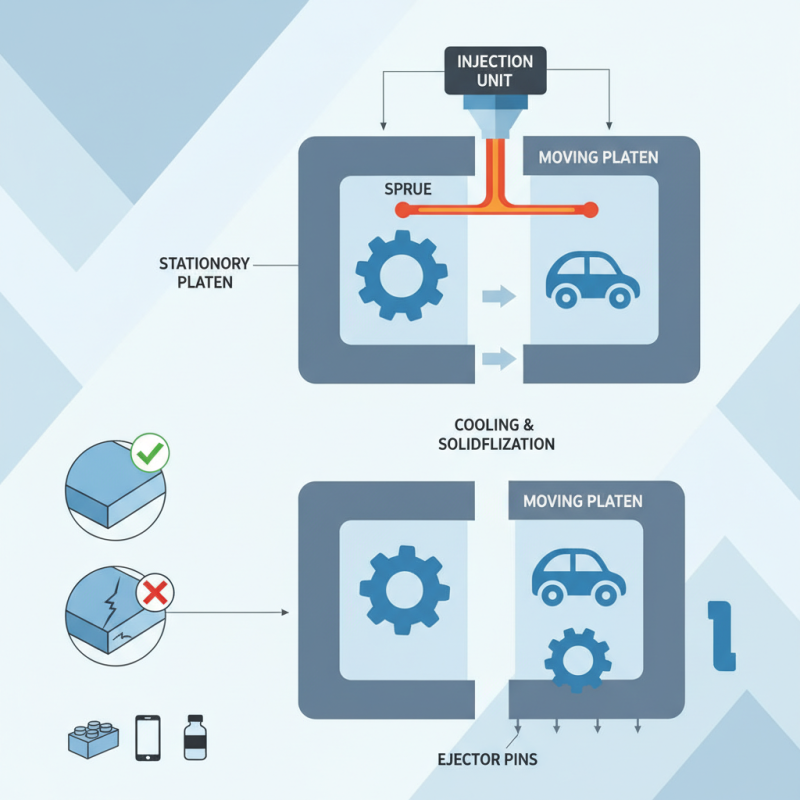
The die consists of two halves, which close around the mold. Hot plastic is injected into the cavity. Once cooled, it solidifies into the desired shape. This process is efficient but can be complex. Minor flaws in the die can lead to inconsistencies in the final product.
Many industries rely on plastic injection molding. From toys to automotive parts, the applications are numerous. However, intricate designs may pose challenges. Engineers must constantly refine their techniques to minimize defects. Adaptability and innovation are crucial in this field.
What is a Plastic Injection Molding Die?
A plastic injection molding die is a critical component in the manufacturing process. It essentially serves as the mold where plastic materials are shaped into specific forms. The die is crafted from durable materials, often steel or aluminum, which can withstand high pressures and temperatures. According to industry reports, the global plastic injection molding market was valued at around $200 billion in 2020, reflecting its significant role in various manufacturing sectors.
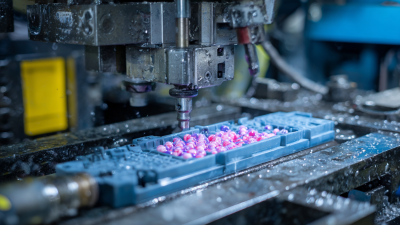
The functionality of a plastic injection molding die involves a precise sequence of actions. First, plastic pellets are heated until they melt. This molten plastic is then injected into the die at high pressure. As it cools, it takes the shape of the die. However, achieving a perfect mold is not always straightforward. Variations in temperature and pressure can lead to defects. Common issues include warping or incomplete fills. Research indicates that around 20% of molded products face quality challenges, highlighting the need for continual improvement in design and process.
Furthermore, the maintenance of injection molding dies is crucial yet often overlooked. Regular inspections and timely repairs can prevent costly downtime. According to a report by the Society of Plastics Engineers, proper maintenance can increase die lifespan by 30%. Yet, many manufacturers neglect this, which affects production efficiency. The importance of understanding both the strengths and weaknesses of the die system cannot be overstated.
Components of a Plastic Injection Molding Die
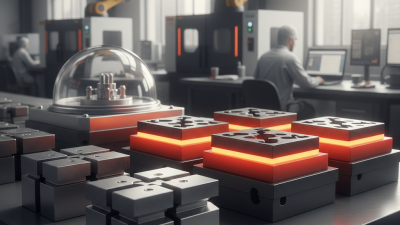
Plastic injection molding dies consist of several critical components, each playing a vital role in the molding process. The core and cavity form the shape of the final product. The core is the internal part that creates the hollow areas, while the cavity shapes the outer contours. These pieces are often made from high-grade steel, designed to withstand significant wear. Research indicates that steel dies can last for over 1 million cycles if maintained properly.
The cooling system is equally important. It controls the temperature during the injection process. Efficient cooling reduces cycle time and improves production rates. Typically, a well-designed cooling channel can lower temperatures by nearly 20% faster than poorly designed systems. This efficiency can lead to substantial cost savings in large-scale manufacturing.
Another essential component is the ejection mechanism. It removes the molded part from the die after cooling. Ejector pins are common choices, but they can lead to surface imperfections. This requires consideration during the design phase. Furthermore, companies often struggle to balance speed and quality, highlighting an area for continuous improvement. Ensuring optimal performance in these components is crucial for successful plastic injection molding.
Plastic Injection Molding Die Components and Their Impact on Production
The Injection Molding Process Explained
The injection molding process is a fascinating yet complex operation. It starts with heated plastic granules that are melted down. This molten plastic is then injected into a mold. The mold is made of two halves, which come together to form the desired shape. After the plastic cools, the mold opens, revealing the final product. It all seems straightforward, but precision is crucial.
One challenge in this process is ensuring the mold maintains the correct temperature. Overheating can lead to defects. Underheating might cause incomplete forms. Monitoring these temperatures is essential, yet not always easy. The materials also play a big role. Plastic types can vary significantly, influencing the final output.
Mistakes can happen, even in skilled hands. Misalignment of the mold can create imperfections. Sometimes, air pockets develop inside the product. These issues require a keen eye and constant adjustments. Reflecting on these aspects can improve future designs. Mastering injection molding takes practice and patience.
Factors Affecting Die Design and Performance
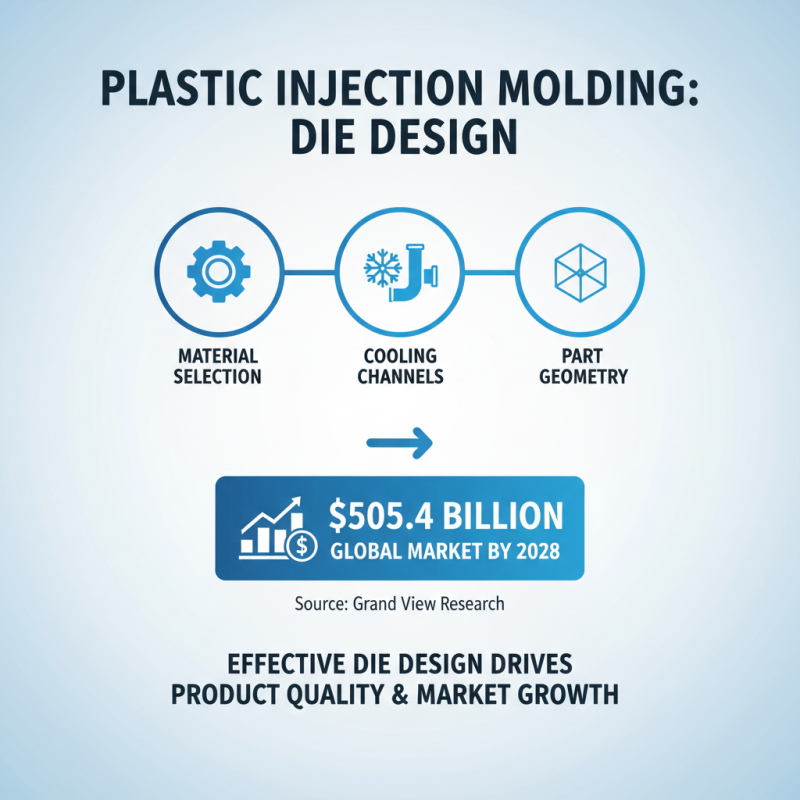
In plastic injection molding, die design plays a crucial role in product quality. Key factors include material selection, cooling channels, and part geometry. According to a report from Grand View Research, the injection molding market is expected to reach $505.4 billion by 2028. This rapid growth underscores the importance of effective die design.
Material choice impacts die performance significantly. Different plastics have unique melting temperatures and flow characteristics. For instance, using polycarbonate instead of standard polyethylene can improve strength but complicate the design. Additionally, cooling channels must be meticulously designed to avoid uneven solidification. Poor cooling can lead to warping or dimensional inaccuracies in the final product. This aspect often requires ongoing adjustments, as there’s no one-size-fits-all solution.
Moreover, part geometry shouldn’t be overlooked. Complex shapes might require more intricate die designs. This can lead to increased production costs and longer lead times. A survey by Molder's World noted that nearly 30% of manufacturers faced challenges during the die design phase. Understanding these factors can minimize risks. It's a reminder that achieving perfection in die design is an ongoing process, with new technologies continuously influencing practices.
Applications and Benefits of Plastic Injection Molding Dies
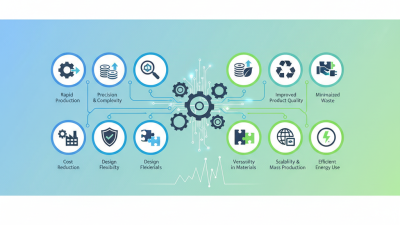
Plastic injection molding dies play a crucial role in manufacturing various plastic products. These dies mold heated plastic into specific shapes, allowing mass production of complex designs. Common applications include automotive parts, consumer electronics, and household items. These components benefit industries by providing consistency and accuracy in production.
The advantages of using plastic injection molding dies are significant. They enable rapid production rates, reducing lead times. This efficiency helps meet growing market demands. Additionally, the capability to create intricate designs can drastically improve product aesthetics. However, the initial cost of creating a die can be high and requires careful planning. It is essential to assess the return on investment before proceeding with large-scale production.
Despite their benefits, designers must be mindful of potential flaws in the die. Minor imperfections can lead to defects in the final product. Regular quality checks and adjustments are necessary to maintain high standards. The reliance on technology can sometimes overshadow the need for hands-on inspection. Therefore, balancing automation with human oversight is crucial for achieving optimal results.
What is a Plastic Injection Molding Die and How Does It Work? - Applications and Benefits of Plastic Injection Molding Dies
| Dimension |
Description |
| Material Used |
Steel, Aluminum, or Magnesium alloys |
| Process Temperature |
Typically ranges from 180°C to 220°C |
| Cycle Time |
15 to 60 seconds per cycle |
| Clamping Force |
Between 5 to 3000 tons depending on the part size |
| Typical Applications |
Automotive parts, consumer goods, medical devices |
| Benefits |
High efficiency, repeatability, manufacturing complex shapes |