How to Choose Caterpillar Excavator Buckets for Your Project?
When embarking on a construction project, selecting the right equipment is crucial. Caterpillar Excavator Buckets are essential tools that can significantly impact efficiency and effectiveness. These buckets come in various shapes and sizes, designed for specific tasks like digging, grading, or trenching. The choice you make can influence project outcomes significantly.
Understanding your project requirements is vital. Caterpillar Excavator Buckets offer versatility, but each bucket type has unique advantages. For instance, a heavy-duty bucket might excel in tough soil, but it may not be ideal for delicate tasks. Reflecting on these trade-offs is essential. It's important to consider soil type, project scale, and the nature of your work when making your selection.
Consulting with professionals can also guide your choices. They can provide insights that come from their experience, helping you avoid costly mistakes. Remember, the right Caterpillar Excavator Buckets can enhance productivity but require thoughtful consideration of various factors. Your decisions should be informed and strategic to ensure success in your project.
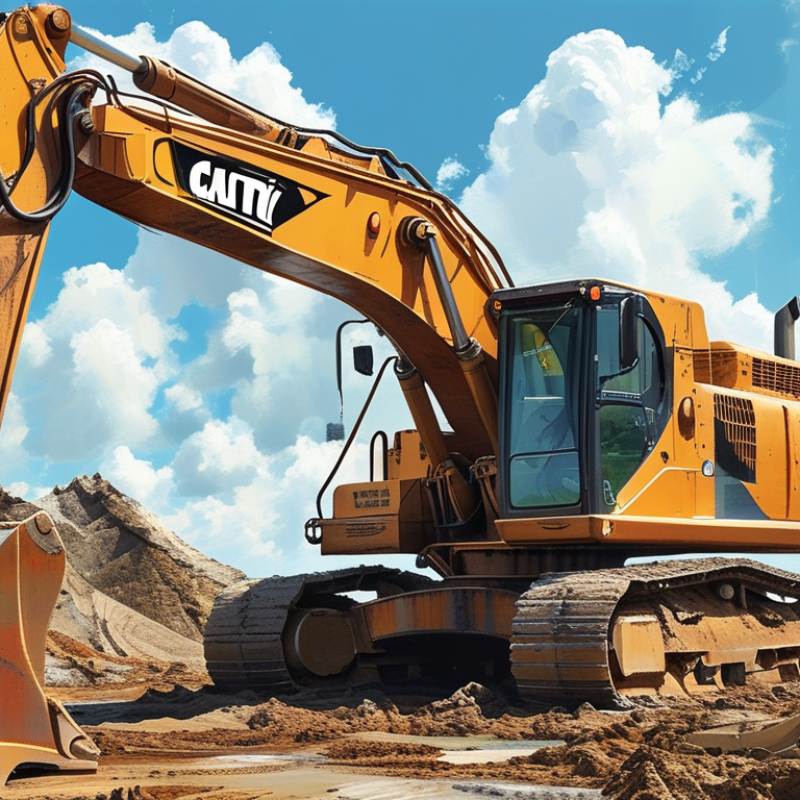
Understanding the Different Types of Caterpillar Excavator Buckets
When selecting excavator buckets, it’s crucial to understand the variety available. Different projects require specific buckets tailored to various tasks. There are general-purpose buckets designed for a range of materials. They work well for standard digging and loading. However, this type may not be efficient in every scenario.
Specialized buckets exist for specific tasks. For instance, narrow buckets excel in precision jobs, like trench digging. They provide accuracy but may not handle larger volumes effectively.
Heavy-duty buckets are built for harsh conditions. They are perfect for rocky soils or debris removal. Choosing the wrong type can lead to inefficiency or damage.
One must also consider the size. A bucket too large for the excavator may cause stress, while a small bucket could mean more trips for the same job. Reflecting on past experiences can inform better choices. It's often about balancing capacity and power. This decision impacts both productivity and cost-effectiveness on the project.
Assessing Project Requirements for Bucket Selection
Choosing the right bucket for your excavator is crucial. Understanding your project needs is the first step. Consider the terrain and type of materials you'll work with. For rocky soil, a heavy-duty bucket is vital. In contrast, soft earth may require a lighter design. The bucket's capacity should match your machine's power. Overloading can reduce efficiency.
Evaluate how much precision you need. If you're digging near existing structures, a narrow bucket will give better control. Wider buckets are ideal for larger areas but may sacrifice accuracy. Take into account the depth you need to reach. Deep digging requires a specific bucket design to avoid getting stuck.
Reflect on how these factors affect your selection. Sometimes, a specific task may not be perfectly matched to available buckets. This can lead to challenges in performance. Collect feedback from operators to better understand their pain points. Knowing what worked and what didn’t in previous projects can guide your decision. Understanding these nuances ensures that you make informed choices.
How to Choose Caterpillar Excavator Buckets for Your Project?
| Project Type | Bucket Capacity (Cubic Yards) | Material Type | Bucket Weight (lbs) | Recommended Tooth Type |
| Site Preparation | 1.5 | Soil | 700 | Standard Tooth |
| Excavation | 2.5 | Clay | 850 | Heavy-Duty Tooth |
| Trenching | 1.0 | Loam | 600 | Narrow Tooth |
| Material Handling | 3.0 | Loose Gravel | 950 | Aggressive Tooth |
| Demolition | 1.8 | Concrete | 800 | Chisel Tooth |
Evaluating Bucket Materials and Durability Options
When selecting a Caterpillar excavator bucket, the material and durability are paramount. Buckets are subjected to extreme conditions, so understanding the available materials is crucial. High-strength steel is commonly used. This material offers excellent durability and resistance to wear. However, it may be heavier than other options. If weight is a concern, consider lighter alternatives.
Tips: Evaluate the project requirements. Are you digging in soft earth or rocky terrain? The right material can make the difference. Choose heavy-duty buckets for abrasive jobs. For less intense tasks, a standard bucket might suffice.
Durability options also vary. Some buckets have reinforced edges and cutting tools. These features enhance lifespan and reduce maintenance. Think about the workload and anticipate wear and tear. If budgets allow, investing in more durable options pays off in the long run.
Tips: Regular maintenance is key. Check for signs of wear frequently. This proactive approach can extend the life of your bucket. Adjust your choice based on the specific application. Always consult with experts if you're unsure about what material fits best.
Considering Bucket Size and Capacity for Optimal Performance
Choosing the right excavator bucket for your project is crucial. The size and capacity of the bucket can significantly impact performance. A suitable bucket can enhance productivity and efficiency. On the other hand, choosing too large or too small a bucket may lead to operational issues.
Understand the specific requirements of your project. This includes the types of materials you'll be working with. A smaller bucket may be ideal for detailed tasks like landscaping. Larger buckets perform well for earthmoving projects. Evaluating the type of soil or material can help in making the right size decision.
Tips: Consider the weight of the bucket relative to the excavator's capacity. Heavy buckets can strain the machine. Also, leave room for potential adjustments. Sometimes, on-site conditions change, necessitating a different bucket size. Stay flexible and keep a few options available for various tasks.
Analyzing Cost and Budget Factors in Bucket Selection
When selecting excavator buckets, cost and budget are crucial considerations. Different bucket types vary significantly in price, impacting overall project expenses. A standard earth-moving bucket may cost less than specialized options like tilt or rock buckets. You should assess what type best fits your needs while staying within budget limits. Consider both upfront costs and long-term value. Spending a bit more on a quality bucket can lead to increased efficiency and durability.
A clear budget can help guide decisions. Calculate potential return on investment by evaluating how each bucket type affects productivity. Cheaper buckets might seem appealing, but if they wear out quickly, the costs could rise. Reflecting on this can lead to more strategic choices. You may need to compromise on some features, but don’t overlook essential attributes, such as capacity and durability.
It’s important to review your project’s requirements. A thorough analysis can prevent overspending or purchasing unsuitable tools. Sometimes, less popular options deliver better performance at a lower price. You might find that adjusting the specification slightly can open up more possibilities. A thoughtful approach leads to a selection that aligns with both project demands and budgetary constraints.
Cost Analysis of Caterpillar Excavator Buckets for Different Projects
