How to Choose a China Top Melt Filtration Disc Supplier?
Choosing a reliable China Top Melt Filtration Disc supplier requires more than comparing prices or catalog photographs. The right supplier must understand polymer flow, contamination levels, operating temperature, pressure changes, and screen construction. In extrusion plants, a small design mistake can create pressure spikes, uneven filtration, or frequent production stops.
Dr. Martin Schuler, a polymer-filtration engineer, observes, “A filter is only as reliable as the process data behind its selection.” This principle deserves attention. A capable supplier should request details about resin type, melt viscosity, throughput, filtration rating, disc diameter, mesh arrangement, and replacement frequency. They should also explain how each Melt Filtration Disc performs under actual production conditions. Vague promises are not enough.
Look closely at manufacturing evidence. Ask for material certificates, dimensional inspection records, weld-quality controls, and sample testing procedures. A trustworthy factory should describe its stainless-steel grades and explain whether the disc suits continuous or intermittent filtration. Communication matters, too. Clear drawings, stable lead times, and responsive technical support often reveal more than polished marketing language.
There is no perfect supplier.
Even experienced buyers can overvalue low prices. That choice may later bring shorter service life or unstable pressure. A practical evaluation should include total operating cost, not only purchase cost. Request samples when possible. Compare them under similar temperatures and pressures. Review customer references carefully, because one successful application does not guarantee universal performance. The best China Melt Filtration Disc supplier is the one that combines verified production capability, honest technical advice, and consistent quality.
What Is a Melt Filtration Disc and Why Does Supplier Choice Matter?
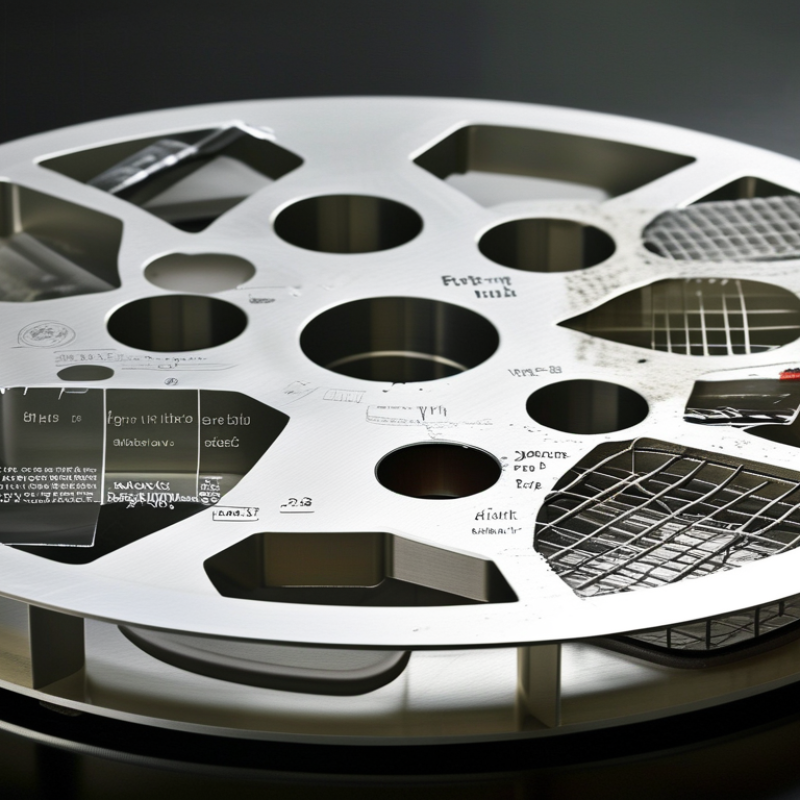
A melt filtration disc is a circular screen pack used inside an extruder or melt filter. It captures gels, metal particles, paper fibers, and unmelted polymer before the melt reaches the die. Its structure may include woven mesh, sintered layers, or spot-welded screens. Micron rating matters, but it is not the whole story. Open area, wire diameter, pressure drop, and disc thickness also influence production stability.
The scale is significant. PlasticsEurope reported global plastics production of 400.3 million tonnes in 2022. The OECD also reported that only 9% of plastic waste was recycled in 2019. These figures increase the need for dependable filtration, especially when recycled feedstock carries variable contamination. A qualified China supplier should provide material certificates, dimensional inspection records, filtration ratings, and sample testing. Ask how each batch is traced. Check edge finishing closely. A rough edge can damage seals or create bypass leakage.
No supplier is perfect. A low quotation may hide inconsistent mesh tension or weak welding. In my view, the best evaluation combines laboratory evidence with a short production trial. Confirm pressure behavior, service life, and screen-change frequency under your actual polymer and throughput. Some buyers focus too heavily on price. That mistake can become expensive when unstable filtration causes downtime, rejected rolls, or irregular pellet quality.
Which Materials and Disc Specifications Fit Your Filtration Process?
Choosing a China top melt filtration disc supplier starts with material compatibility, not price. Polymer melt temperatures often exceed 200°C, while recycled feedstock can carry paper, aluminum, and carbonized residue. PlasticsEurope reported 400.3 million tonnes of global plastics production in 2022. That scale increases the need for stable filtration during extrusion.
For clean polyolefin processing, stainless steel woven mesh can offer predictable openings and good mechanical strength. Type 304 suits many standard applications. Type 316L is safer for corrosive additives, halogenated polymers, or humid operating conditions. Sintered metal discs provide stronger structural support. However, they can create higher pressure loss. Check viscosity, melt temperature, pressure, and contamination before choosing. A 20-micron disc is not automatically better than a 40-micron disc. Its rating may be nominal rather than absolute.
Disc specifications also require practical testing. Confirm diameter, thickness, effective filtration area, open area, sealing edge, and pressure rating. Ask for material certificates, dimensional reports, and batch traceability. A supplier should explain test methods clearly. OECD data estimated 353 million tonnes of plastic waste in 2019, so recycled polymers deserve extra attention. They often need staged filtration instead of one extremely fine disc. I have seen buyers focus on micron size and overlook screen blockage. That mistake raises energy use and causes unstable output. Pilot trials remain necessary. Laboratory data can miss real melt surges.
How to Evaluate a Chinese Supplier’s Manufacturing Capabilities
How to Choose a China Top Melt Filtration Disc Supplier?
How to Evaluate a Chinese Supplier’s Manufacturing Capabilities
Choosing a top melt filtration disc supplier requires more than a low quotation. Manufacturing evidence matters. Ask how wire mesh, sintered media, and support layers are sourced, cut, stacked, and bonded. A reliable factory should show batch numbers, material certificates, furnace records, and inspection results for every lot. Confirm pore rating, thickness tolerance, pressure drop, and burst performance through documented test methods. Photos are not enough. Request samples from normal production, not a specially prepared batch.
China’s National Bureau of Statistics reported 3.33 trillion yuan in national R&D expenditure in 2023, equal to 2.64% of GDP. This indicates a strong innovation base, but it cannot validate one supplier. The ISO Survey 2023 places China among the largest holders of ISO 9001 certificates worldwide. Certification helps, yet its scope must match the actual production site. Check calibration records, corrective actions, employee training, and nonconformance reports. A certificate can be genuine and still provide weak evidence.
During a technical audit, watch the production line, not only the conference room. Look for controlled areas, stable welding or sintering parameters, microscope inspection, and sealed packaging. Ask for three consecutive lot records and compare dimensions independently. Verify capacity through monthly output, machine count, shift patterns, and rejection rates. Suppliers sometimes quote theoretical capacity. That is a common blind spot. Run a pilot order with demanding polymer temperatures and measure pressure stability. An independent laboratory can verify results when the data feels too perfect. Leave room for doubt.
What Quality, Testing, and Certification Standards Should You Verify?
When choosing a China-based melt filtration disc supplier, quality evidence matters more than polished product photos. Ask for the disc’s material grade, wire diameter, mesh count, and layer structure. These details should match the drawing and purchase specification. Request a current material certificate for every production batch. It should identify composition, heat treatment, and lot number. A missing lot number weakens traceability. That is a practical warning sign.
Supplier testing should reflect your process conditions. Check reports for dimensional inspection, filtration efficiency, pressure-drop data, and burst or collapse resistance. Ask how samples were prepared and which instruments were calibrated. For polymer applications, testing near your actual temperature and viscosity is more useful than room-temperature data. Review microscopic images of welds and openings. Uneven apertures can allow contamination through. They can also increase pressure unexpectedly. Small details matter.
Verify ISO 9001 certification through the issuing body, not a copied PDF. If your product enters regulated packaging or food-contact production, request applicable compliance declarations and migration testing. Do not accept a broad “food grade” claim without scope, test conditions, and material identity. RoHS or REACH documents may suit certain equipment, but they do not prove filtration performance. During an audit, compare retained samples with delivered discs. Suppliers should explain deviations openly. No supplier is perfect. A minor tolerance issue may be manageable; concealed changes are not. Ask for corrective-action records, inspection frequency, and sample approval before placing a large order.
How to Compare Pricing, Delivery, Customization, and After-Sales Support
Choosing a top China melt filtration disc supplier requires more than comparing unit prices. Request a detailed quotation covering disc cost, tooling, packaging, inspection, and shipping. A low price may hide short service life or inconsistent filtration performance. Ask for material certificates, dimensional reports, and traceability records for each production batch. These documents show whether the supplier follows a reliable quality process.
Delivery should be measured in clear stages: sample approval, production time, inspection, and transport. Confirm the lead time in writing, including holiday delays and customs preparation. A practical buffer of several days can protect your production schedule. It is easy to overlook this detail. That mistake can become expensive. During comparison, check whether the supplier can provide trial samples before full production. Test them under your actual temperature, pressure, and polymer conditions.
Customization should cover diameter, thickness, mesh structure, alloy selection, and tolerance. Send a controlled drawing, not only a product photograph. For after-sales support, ask who handles technical questions and how quickly they respond. Confirm procedures for nonconforming discs, replacement shipments, and root-cause analysis. Some suppliers promise fast support but provide vague answers after payment. That deserves careful reflection. A dependable partner should communicate changes early, preserve inspection records, and explain limitations honestly. Reliability is shown through consistent details, not impressive claims.
