How to Choose a Solar Independent Power Wall in 2026?
In 2026, a Solar Independent Power Wall will be more than a battery beside rooftop panels. It will manage sunlight, household demand, backup power, and sometimes electric-vehicle charging. The phrase itself can mislead. “Independent” does not mean limitless or fully off-grid.
The International Energy Agency’s Renewables 2024 report expects global renewable capacity to grow by about 5,500 gigawatts between 2024 and 2030. Solar photovoltaic systems will provide most of that expansion. More solar also creates sharper evening peaks, making dependable storage increasingly valuable. BloombergNEF’s 2024 Lithium-Ion Battery Price Survey reported an average battery-pack price of $115 per kilowatt-hour, a 20% annual decline. Lower prices help, but they do not guarantee a better product.
“There is no clean energy transition without electricity,” said Fatih Birol, Executive Director of the IEA. His observation explains why storage deserves careful evaluation, not impulse buying. A suitable Solar Independent Power Wall should match daily consumption, solar output, outage duration, and local installation conditions. Look closely at usable capacity, round-trip efficiency, inverter ratings, cycle life, thermal management, warranty terms, and expansion limits. Also check whether the system works during grid outages, not merely during normal operation.
A bright display is not proof of reliability. Neither is a large headline capacity. A 15-kilowatt-hour unit may provide less usable energy after reserve settings and conversion losses. That matters.
This guide compares practical specifications, installation evidence, safety certifications, and long-term operating costs. Some conclusions remain conditional. Battery performance depends on temperature, charging habits, maintenance, and installer quality. That uncertainty deserves honesty.
What Is a Solar Independent Power Wall and How Does It Work?
How to Choose a Solar Independent Power Wall in 2026?
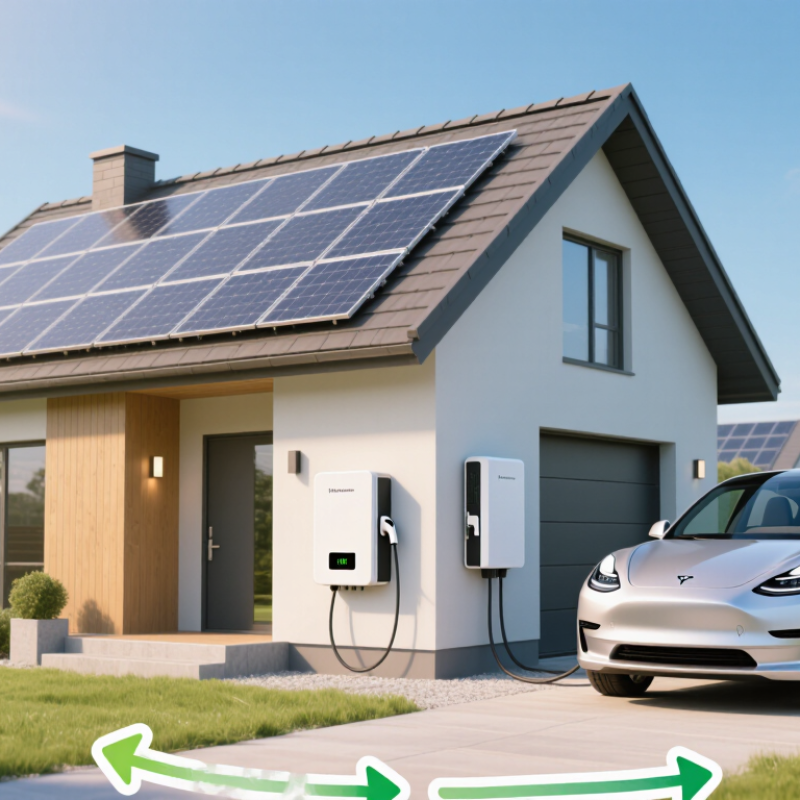
A solar independent power wall is a battery system that stores electricity from rooftop panels. It releases that energy when sunlight fades or the grid fails. The energy path is simple: panels produce direct current, a controller manages charging, and an inverter supplies usable household power. During an outage, an automatic transfer device isolates the home from the grid. This islanding function protects utility workers and keeps backup power controlled.
The phrase “independent” can mislead. A battery may support essential circuits, not every appliance. Refrigerators, routers, lights, and medical equipment need different starting currents. A 5 kWh battery might run small loads overnight, but heating equipment can empty it quickly. The International Energy Agency’s Batteries and Secure Energy Transitions report says global battery storage capacity must increase sixfold by 2030. That growth reflects rising demand for flexible electricity, not unlimited home autonomy.
The U.S. National Renewable Energy Laboratory explains that storage value depends on duration, cycling, and local electricity prices. Check usable capacity, continuous output, surge output, round-trip efficiency, warranty conditions, and cold-weather performance. Ask for a circuit-level load assessment. I have seen sizing based only on daily energy use; that approach misses motor surges. It is convenient, but incomplete. Certified installation, ventilation, clearance, and local electrical rules matter. Safety guidance from NFPA 855 also supports careful placement and fire-risk planning.
Which Energy Needs Should a Solar Power Wall Meet?
Choosing a solar independent power wall in 2026 starts with one practical question: which energy needs must continue during an outage? List essential loads, such as a refrigerator, lights, internet equipment, water pumps, and medical devices. Check each appliance’s running watts and startup surge. A refrigerator may need several times more power when its compressor starts. Small details matter. Measure real household usage for several days instead of relying only on estimates.
The battery should cover your expected daily consumption and the backup duration you require. Compare usable capacity, not only the advertised battery size. Also check the inverter’s continuous and peak output ratings. A large battery cannot operate equipment if the inverter is undersized. In colder or hotter climates, temperature limits and ventilation deserve close attention. Certified installation and clear maintenance instructions add important reliability. However, no calculation is perfect. Cloudy weather, aging batteries, and unexpected loads can change the result.
Tips: Keep a 20–30% capacity reserve for cloudy periods and battery aging. Separate essential circuits from convenient ones. Test the system during a planned outage. Review your energy list every year, because new appliances quietly increase demand. A neat spreadsheet can still be wrong. Real measurements are better.
How to Choose a Solar Independent Power Wall in 2026?
Which energy needs should a solar power wall meet? Start by estimating the daily energy required by essential loads, then compare the battery’s usable capacity, continuous output, and surge capability.
These planning values are based on typical household appliance ratings and daily operating patterns. Actual consumption varies by appliance efficiency, climate, household size, and usage time.
How to Evaluate Safety, Lifespan, Installation, and Maintenance
Choosing a solar independent power wall in 2026 requires more than comparing storage capacity. Safety comes first. Look for documented testing against IEC 62619, UL 9540, or equivalent national standards. UL 9540A testing also examines thermal-runaway fire behavior. The International Energy Agency reported that battery storage costs fell sharply through 2023, but lower prices do not guarantee safer design.
Lifespan depends on chemistry, temperature, cycling, and reserve settings. The U.S. National Renewable Energy Laboratory commonly models lithium-ion storage for roughly 10 to 15 years, although real results vary. A battery operating beside a hot exterior wall may age faster.
Ask for usable capacity, cycle warranty, and expected capacity after ten years. Do not trust only the headline kilowatt-hours. A 10 kWh system may reserve part of its energy for protection. That detail matters.
Installation quality is equally important. A qualified electrician should check load calculations, ventilation, clearances, grounding, shutdown access, and local approval requirements. The U.S. Department of Energy recommends professional installation and code-compliant equipment for residential storage.
Maintenance should include software updates, visual inspections, alarm checks, and annual review of temperature data. Keep the area dry and unobstructed. Simple, but often ignored. I would also leave room for uncertainty: warranty projections are laboratory estimates, not promises about every household. Compare independent test evidence, installer experience, and service response times before choosing.
How to Choose a Compatible and Cost-Effective System in 2026?
How to Choose a Solar Independent Power Wall in 2026?
In 2026, choose compatibility before capacity. Match the battery’s voltage, usable energy, continuous output, and communication protocol with your inverter. A 10 kWh battery may provide only 8 kWh after reserve settings and conversion losses. Check the technical datasheet carefully. The International Energy Agency reported that battery prices fell by about 14% in 2023. However, installation, protection equipment, wiring, and labor can still dominate the final bill. A cheaper battery is not always a cheaper system.
Measure your actual electricity use for at least twelve months. Separate daytime loads from evening loads. A small home office may need steady output, while a house with a well pump needs higher starting power. The U.S. National Renewable Energy Laboratory recommends evaluating storage through usable capacity, efficiency, degradation, and replacement timing. These details matter more than headline kilowatt-hours. They also expose weak assumptions.
Leave a safety margin. Do not size the system around one perfect sunny week. Review operating temperature, enclosure rating, warranty conditions, cycle limits, and emergency shutdown requirements. The IEA expects global energy storage capacity to expand sharply before 2030, but rapid growth can encourage rushed purchasing. I would compare three complete installation quotes, not three battery prices. Even experienced buyers miss hidden compatibility costs. That mistake is expensive.
