How to Choose the Best Aluminum Welder Machine for Your Needs?
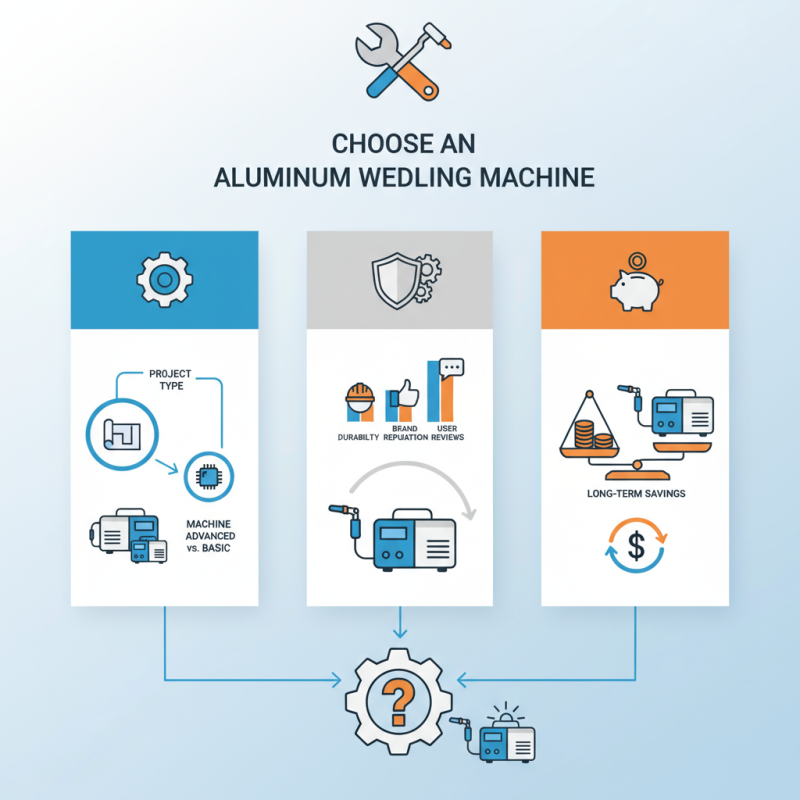
When selecting an Aluminum Welder Machine, several factors come into play. It's essential to understand your specific welding requirements. Different projects demand different capabilities. An advanced machine may be necessary for intricate work, while basic tasks might only require simpler models.
Quality is crucial. A durable machine ensures safety and efficiency. Consider the brand's reputation and product reviews from experienced welders. Knowledgeable users often share practical insights that can guide your decision.
Budget is always a factor. While it’s tempting to buy the cheapest option, reliability should not be compromised. Investing in a reputable Aluminum Welder Machine can save costs long-term. Explore options and keep your specific welding needs in mind. This way, you'll make a wise choice.
Factors to Consider When Choosing an Aluminum Welder Machine
When selecting an aluminum welder machine, certain factors can significantly impact your choice. Power output is one of the primary considerations. Most experts recommend machines with at least 200 amps for thicker aluminum work, as this ensures strong, quality welds. A study by the American Welding Society notes that inadequate amperage often leads to burn-through and weak joints, which can compromise the integrity of your work.
Portability is another important aspect. While some projects may require a stationary unit, others benefit from a lightweight and mobile design. Weighing the importance of easy transport versus the power needs of your projects can guide your decision. Many professionals state that a compromise might lead to frustration on job sites, where mobility can be critical.
Additionally, consider the duty cycle of the welder. A machine with a lower duty cycle can result in extended downtime, particularly in high-demand jobs. According to industry statistics, a duty cycle of 60% or higher is preferable for sustainability. As you explore options, keep in mind that a quick comparison of specifications can help avoid choices that might not fit your long-term needs. Reflect on your experience level with welding; some features may be best suited for advanced users, while beginners could find them overwhelming.
Types of Aluminum Welding Processes and Their Applications
When selecting an aluminum welder, it's essential to understand the various welding processes available. Each method has distinct characteristics and applications. Common techniques include TIG (Tungsten Inert Gas) welding, MIG (Metal Inert Gas) welding, and stick welding. TIG welding provides high precision and is often chosen for thin materials. This process creates strong, clean welds but requires skilled operators.
MIG welding offers speed and efficiency, making it popular for larger projects. It's user-friendly and ideal for thicker aluminum sections. However, it can produce more spatter than TIG welding. Stick welding, while less common for aluminum, can be useful in outdoor applications where portability and simplicity are needed. Each process has strengths and weaknesses, so assessing your specific needs is crucial.
Consider the thickness of your materials and the environment in which you'll be working. The project scope can influence your choice significantly. Too often, welders overlook their skill level when choosing a process, leading to unsatisfactory results. It's vital to balance technique and equipment. Exploring these processes in detail can help guide your decision, leading to more successful welding outcomes.
Key Features to Look for in an Aluminum Welder Machine
When choosing an aluminum welder machine, focus on essential features that suit your projects. First, consider the machine's duty cycle. A higher duty cycle allows for longer welding periods without overheating. Look for machines with at least a 60% duty cycle for consistent work.
Power and control are crucial as well. A machine with adjustable settings can handle various aluminum thicknesses. This flexibility lets you tackle more projects. Variable amperage settings enable better control, so finding a model that supports this can elevate your work quality.
**Tips:** Always check reviews from trusted sources. Real-world experiences can reveal potential drawbacks. Also, think about portability. A lightweight machine can increase your work options, especially on the go. Don't overlook the importance of proper ventilation during welding. Quality safety gear should complement your machine choice for the best results.
Budgeting for Your Aluminum Welder Machine Purchase
When budgeting for an aluminum welder machine, understanding your financial limits is crucial. A survey by the American Welding Society indicates that 45% of buyers consider cost as their primary factor. Setting a clear budget helps narrow down your choices effectively. Typically, prices for aluminum welder machines range from $300 to over $3,000, depending on features and performance. The more advanced machines usually offer better precision and efficiency, but they can also strain your budget.
It's also wise to account for additional costs beyond the initial purchase. Maintenance, consumables, and potential upgrades are essential factors. Industry reports show that ongoing costs can represent an additional 30% of the purchase price annually. This can impact your finances significantly, especially for hobbyists or small shops. Reflecting on your long-term needs versus short-term savings will help ensure you make a wise investment. Consider user reviews and guidance from experienced welders to make an informed choice. A well-planned budget can lead to a fulfilling welding experience while avoiding unnecessary financial stress.
Aluminum Welder Machine Features Comparison
This bar chart illustrates key features to consider when choosing the best aluminum welder machine. The values reflect average specifications that might be critical to your selection process: power output, duty cycle, weight, price, and warranty period.
Maintenance Tips for Long-lasting Aluminum Welding Equipment
Maintaining your aluminum welding equipment is crucial for optimal performance. Regular cleaning is vital. After each use, remove spatter and debris. Dirt accumulation can lead to poor weld quality. Check the cables and connectors for wear. Any signs of damage should be addressed immediately. A small crack can cause significant issues later.
Proper storage also plays a role in longevity. Keep your equipment in a dry, cool place. Humidity can lead to corrosion. Use protective covers to prevent dust buildup. This simple act can save you time and money on repairs.
Remember to perform routine inspections. Are the gas lines leak-free? Is the welding torch functioning properly? These checks can prevent minor issues from becoming major headaches. Enhancing your welding equipment care can enhance your skills, too. Reflect on your current maintenance routine. Are there areas that need improvement? Embrace a proactive approach for better results.
How to Choose the Best Aluminum Welder Machine for Your Needs? - Maintenance Tips for Long-lasting Aluminum Welding Equipment
| Feature | Description | Importance |
| Power Source | Types include MIG, TIG, and Stick welding machines. | Essential for determining welding technique and metal thickness. |
| Welding Capacity | Measured in amps; higher capacity for thicker metals. | Crucial for application variety and metal types. |
| Portability | Weight and design for ease of transport. | Important for onsite work and versatility. |
| Ease of Use | Controls and interface that simplify operation. | Helps beginners and improves efficiency for experts. |
| Price Range | Varies based on features and brand reputation. | Directly impacts budget considerations and ROI. |
| Maintenance Requirements | Routine checks, cleaning, and part replacements. | Ensures durability and optimal performance over time. |
| Warranty | Coverage period and conditions for repairs or replacements. | Provides security against defects and issues. |