Best Die Cast Products for Global Buyers to Consider?
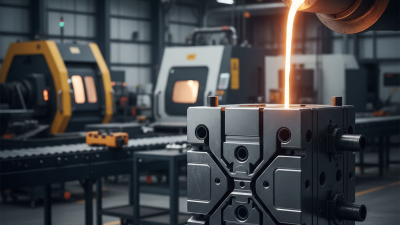
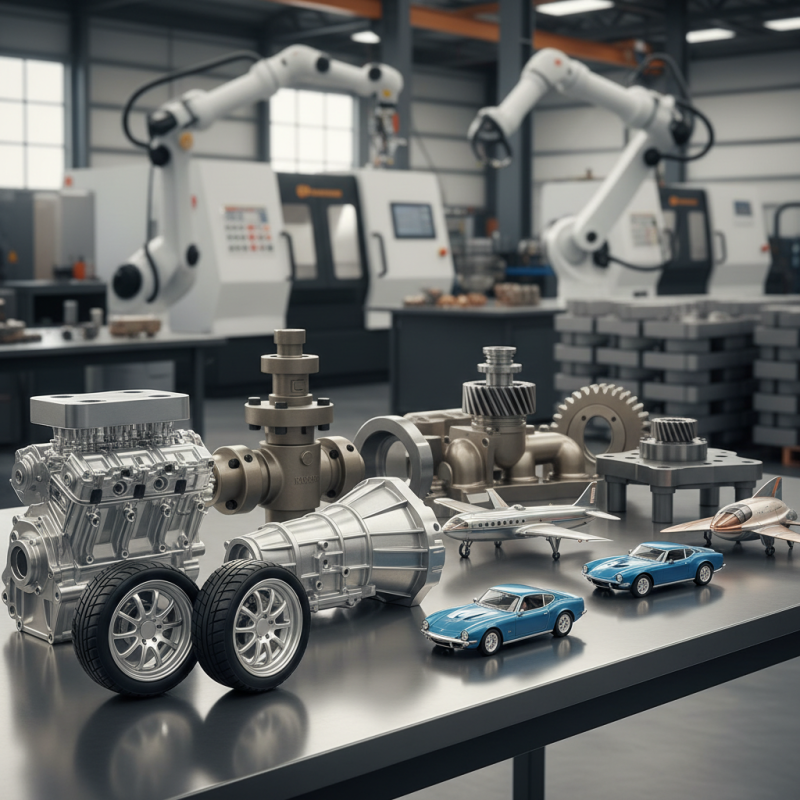
Die cast products have gained immense popularity among global buyers. This manufacturing process offers precision and durability, making it a preferred choice for various applications. From automotive parts to collectible models, die cast items serve numerous industries. Buyers often seek reliable sources for quality products. The global market is flooded with options, but not all meet the required standards.
Understanding die cast manufacturing can be complex. It requires know-how about materials, techniques, and quality control. The benefits of choosing the right die cast products are significant, impacting performance and longevity. However, many buyers face challenges in selecting trusted suppliers. Price alone should not dictate choices; quality is essential.
Consideration of certifications and industry standards is vital. This ensures that the die cast products meet global requirements. Confidence in sourcing reflects on the overall value of the purchase. Exploring reputable brands and their offerings can make a difference. As the market evolves, buyers must stay informed to make sound decisions.
Overview of the Die Cast Industry: Market Trends and Key Players
The die cast industry has been experiencing notable transformations.
Rising demand for lightweight materials is driving innovations. This sector is crucial for various applications, from automotive to consumer products. Key players are adapting to these trends, focusing on sustainability and efficiency.
The market is characterized by a mix of established companies and emerging enterprises. Both are competing fiercely. They are investing in technology to improve quality. However, some companies struggle to keep pace with rapid changes. This inconsistency can lead to a lack of trust among buyers.
Tips for buyers include understanding the production methods and materials used in die casting. This knowledge can help in making informed decisions. Always consider the environmental impact of die cast products. Sustainable sourcing is becoming increasingly important. A company that prioritizes eco-friendly practices often reflects quality and reliability.
Top Die Cast Materials: Aluminum vs. Zinc - Pros and Cons
Die casting remains a popular manufacturing method due to its efficiency and cost-effectiveness. Two primary materials dominate this sector: aluminum and zinc. Each has its merits and downsides, making the choice dependent on specific project needs.
Aluminum die castings are known for their lightweight properties and excellent corrosion resistance. They conduct heat and electricity well, making them suitable for automotive and electronic applications. However, the initial cost can be higher than zinc. According to industry reports, aluminum die casts can achieve complex shapes with thinner walls than zinc, increasing design flexibility.
Zinc, on the other hand, offers high dimensional accuracy and a lower production cost, making it a go-to for less demanding applications. However, while zinc is malleable, it doesn’t resist corrosion and heat as well as aluminum. Many designers find that zinc’s weight can be a disadvantage in weight-sensitive applications.
Tips: Evaluate your specific application needs before choosing a material. Balance factors like weight, cost, and environmental resistance. Remember, the chosen material can significantly influence overall project sustainability and longevity. Consider prototyping with both materials to identify the best fit through firsthand experience.
Global Demand for Die Cast Products: Insights from Recent Statistics
The global demand for die cast products continues to rise, driven by various industries like automotive and electronics. Recent statistics suggest that the die casting market is poised to grow at a CAGR of 5.4% from 2023 to 2030. This indicates a significant uptick in the production of lightweight and durable components. Such growth reflects the need for efficient manufacturing processes. Increasing investments in lightweight materials are pivotal for reducing ecosystem impacts.
Industries are increasingly seeking innovative solutions. The automotive sector is pushing for more efficient engine parts and structural components. Reports show that nearly 40% of die-cast products are used in automotive applications. These figures emphasize the critical role that die casting plays in modern engineering. However, companies face challenges in optimizing production techniques while maintaining quality. Manufacturers must adapt to changing consumer demands and environmental regulations.
Emerging economies are also contributing to die cast product growth. Regions such as Asia-Pacific are seeing a surge in industrial activities. However, production inconsistencies and labor costs can hinder progress. Sustainability remains a focal point, with companies wrestling with using raw materials responsibly. Addressing these issues is essential for future competitiveness in the global market.
Innovative Die Casting Techniques: Impact on Product Quality and Cost
Innovative die casting techniques have revolutionized the manufacturing landscape. Advanced methods, like vacuum die casting and squeeze die casting, enhance product quality. These techniques reduce defects, leading to stronger components with superior surface finishes. Increased precision is crucial for industries requiring exact specifications. Manufacturers often witness improved durability and performance in their products through these innovations.
However, not every technique is perfect. Some advanced methods may lead to higher initial costs. The trade-off between quality and expense can be challenging. Manufacturers must evaluate the long-term benefits against short-term financial impacts. Awareness of potential risks during production is essential. Proper training for staff is vital to avoid errors in the casting process. The investment in skills ensures efficient use of advanced techniques, ultimately benefiting product development.
Moreover, the collaboration between engineers and designers is crucial. Effective communication can lead to breakthroughs in product designs that leverage die casting methods. Testing and reviewing designs before full-scale production can help identify issues. Finding balance remains critical in adopting innovative techniques. A systematic approach enhances overall efficiency and product viability.
Impact of Innovative Die Casting Techniques on Product Quality and Cost
Sustainability in Die Casting: Eco-Friendly Practices and Standards
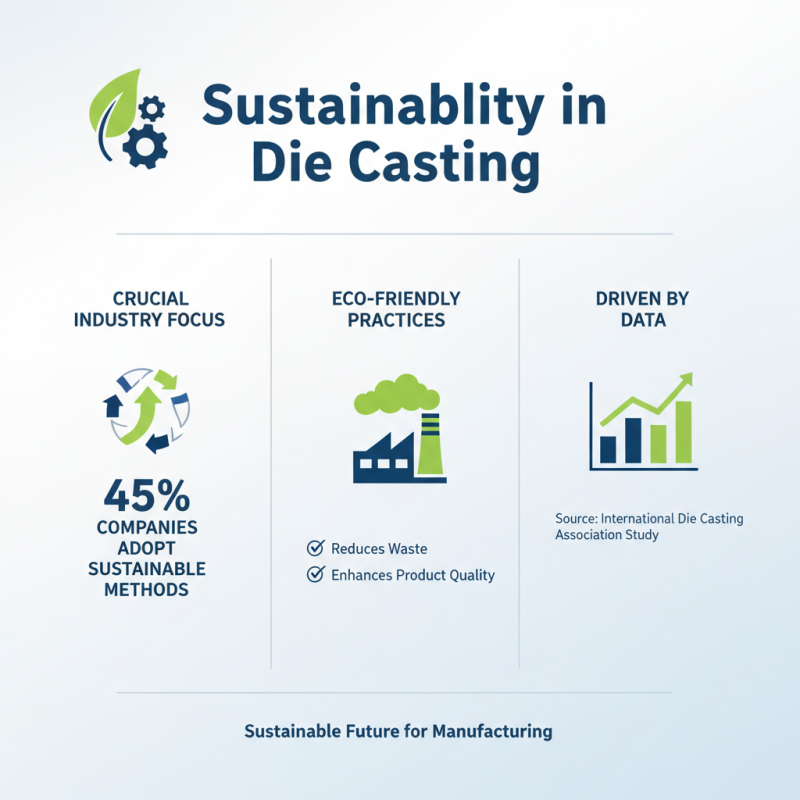
In the die casting industry, sustainability is crucial. Many manufacturers now focus on eco-friendly practices. According to a recent study by the International Die Casting Association, around 45% of companies have adopted sustainable methods. This approach not only reduces waste but also enhances product quality.
Recycling is a key component of sustainable die casting. Using recycled aluminum, for instance, can cut energy consumption by 95% compared to producing new aluminum. Many firms aim for carbon neutrality, but achieving this requires commitment. Currently, only 25% of companies have established ambitious carbon reduction targets.
Tip: Look for die cast products that specify their recycled content. This can be an indicator of a manufacturer’s commitment to sustainability.
Moreover, certifications like ISO 14001 indicate that a company follows environmental management standards. However, many businesses still struggle with compliance. Some lack the resources or knowledge to implement these standards effectively. Investing in training can improve adherence to eco-friendly practices.
Tip: Regularly assess your supplier’s sustainability credentials. This ensures you’re supporting responsible manufacturing processes.